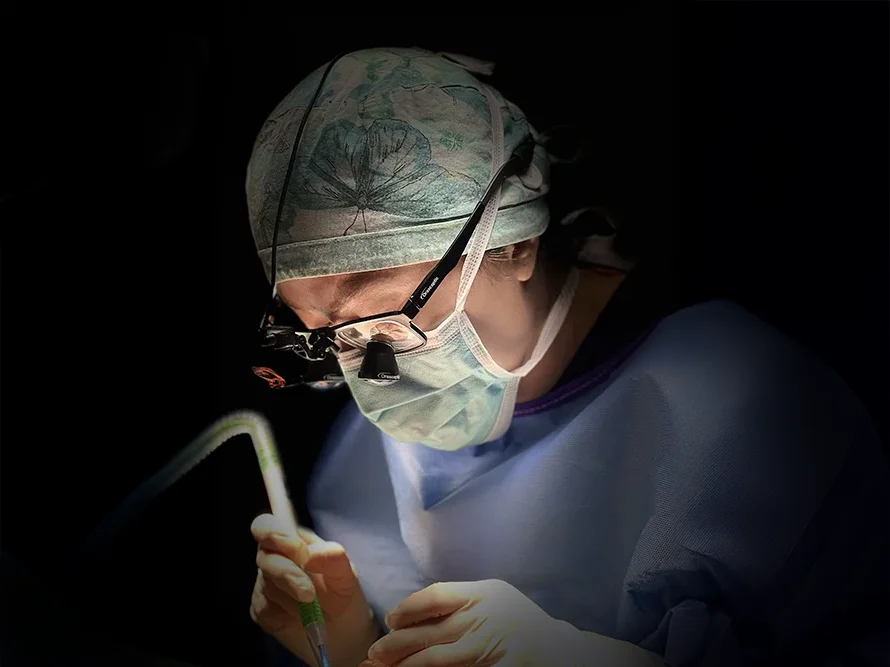

Ultrasonic piezo rhinoplasty is a modern technique that is revolutionizing the rhinoplasty procedure. Using advanced cutting tips this procedure can reshape and resize the nose with significantly less trauma to the surrounding soft tissues.
What is Ultrasonic Piezo Rhinoplasty?
Rhinoplasties are one of the most common facial cosmetic surgeries and have traditionally been performed using rasps, hammers, and chisels to reshape the nose. While this method can accomplish the goals of rhinoplasty, it is not without its drawbacks. These tools are imprecise and can cause damage to surrounding tissues triggering unnecessary swelling and bleeding.
Technological advances have led to the development of an ultrasonic, or piezoelectric, device that uses high-speed sound waves to power tiny cutting and shaving tips. These devices allow surgeons to be more precise when shaving, shaping, and reducing nasal bones. This recently approved rhinoplasty system has provided a large improvement in the outcomes and complications associated with a nose job.



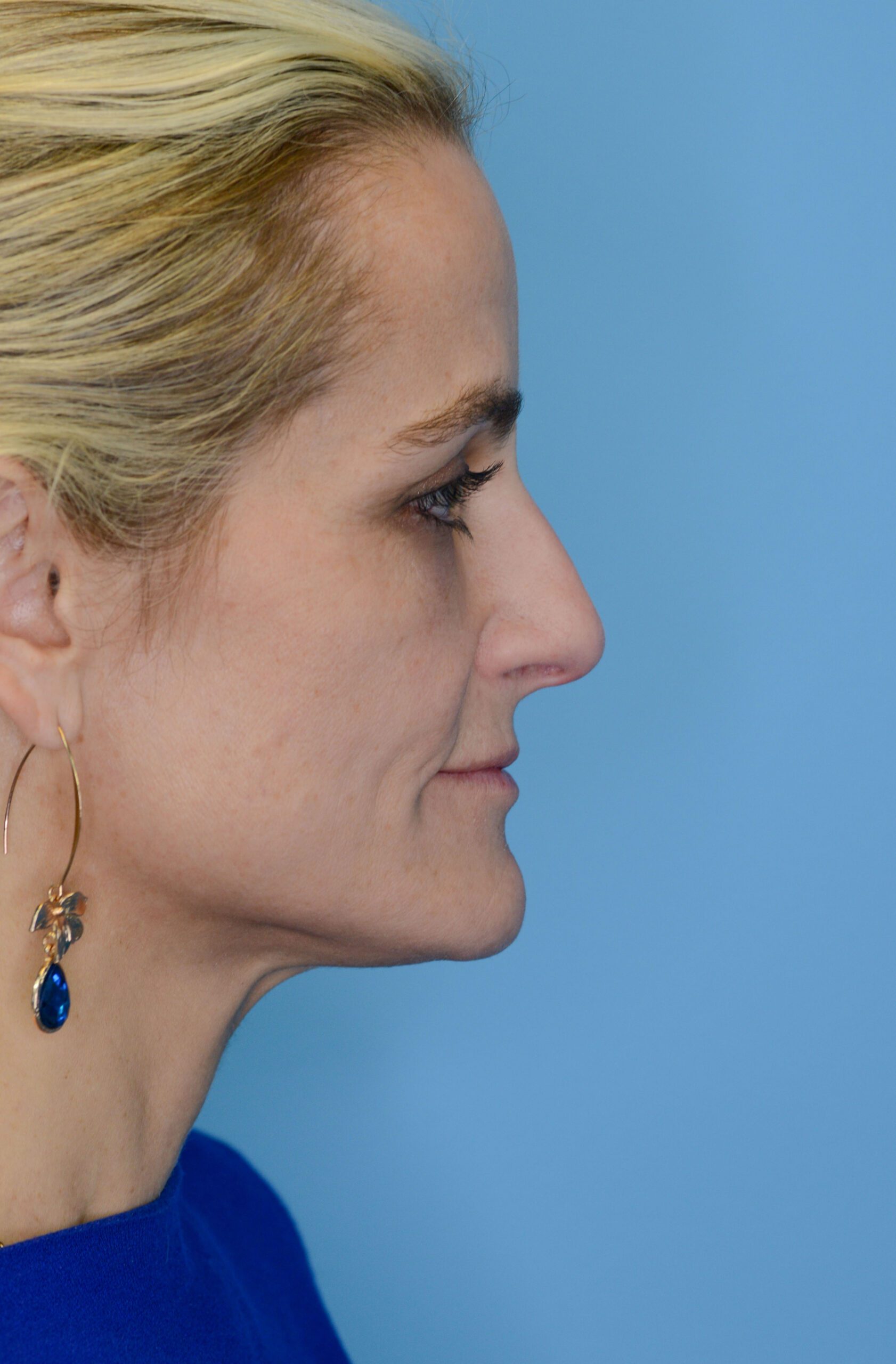
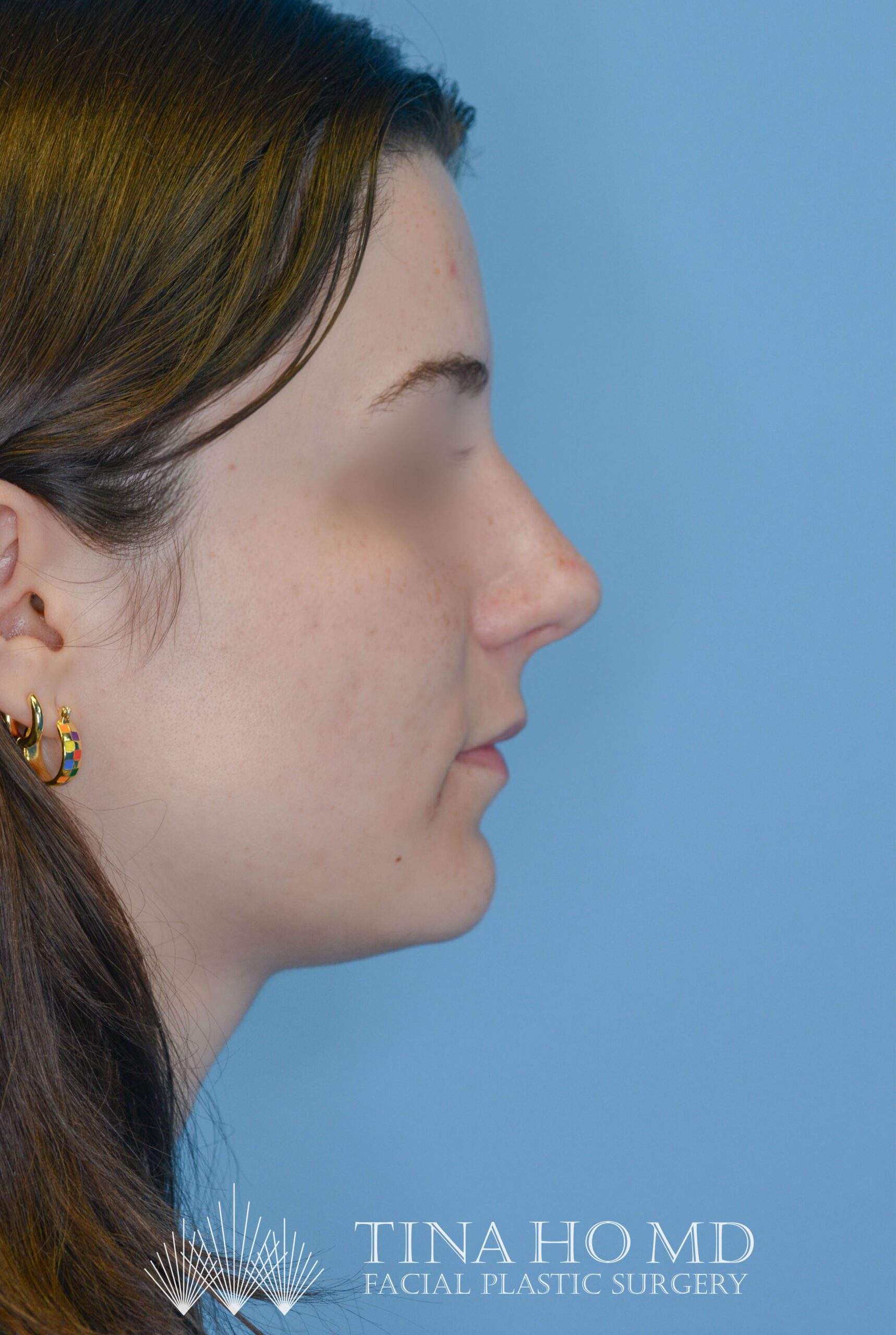
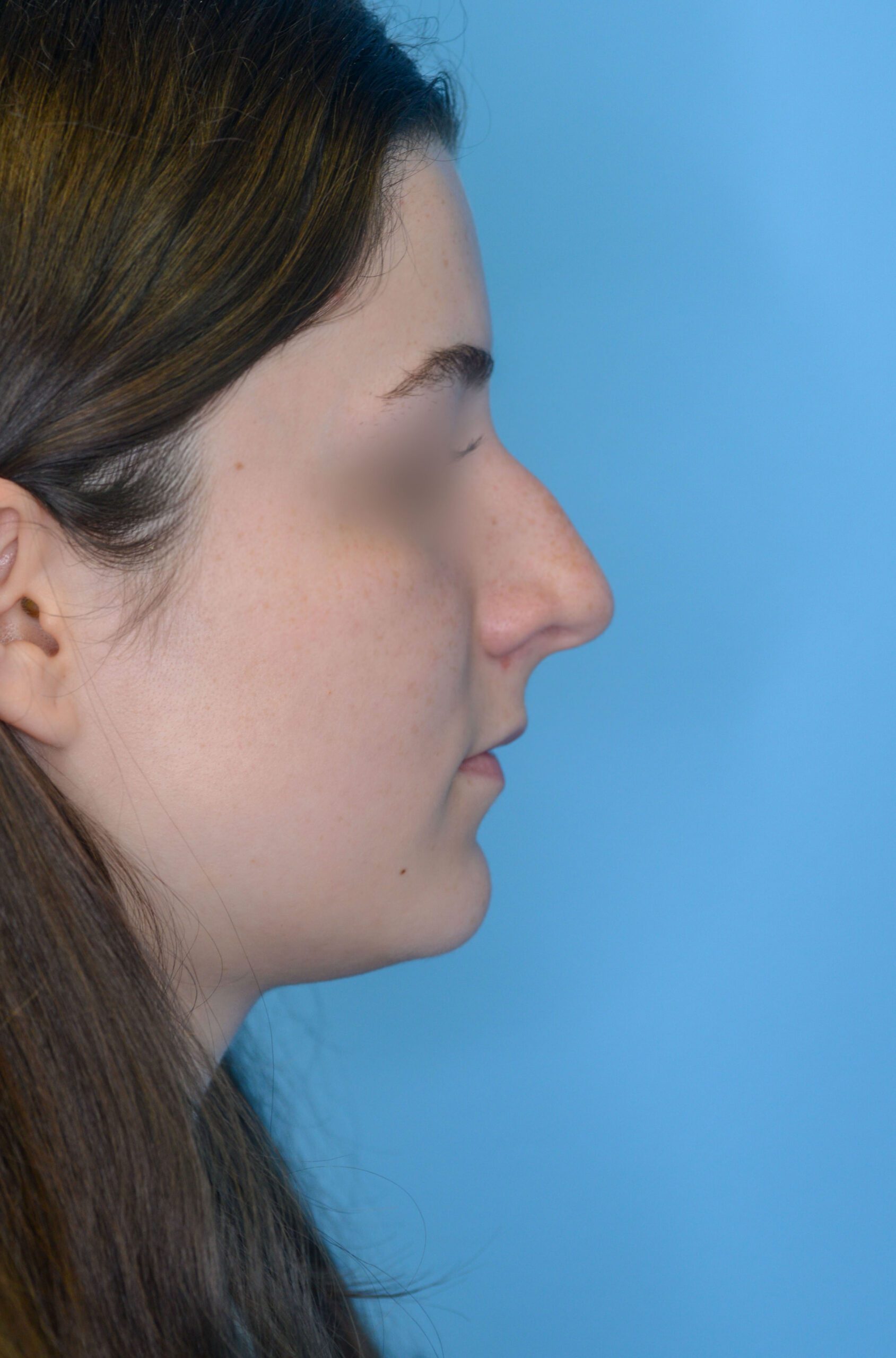
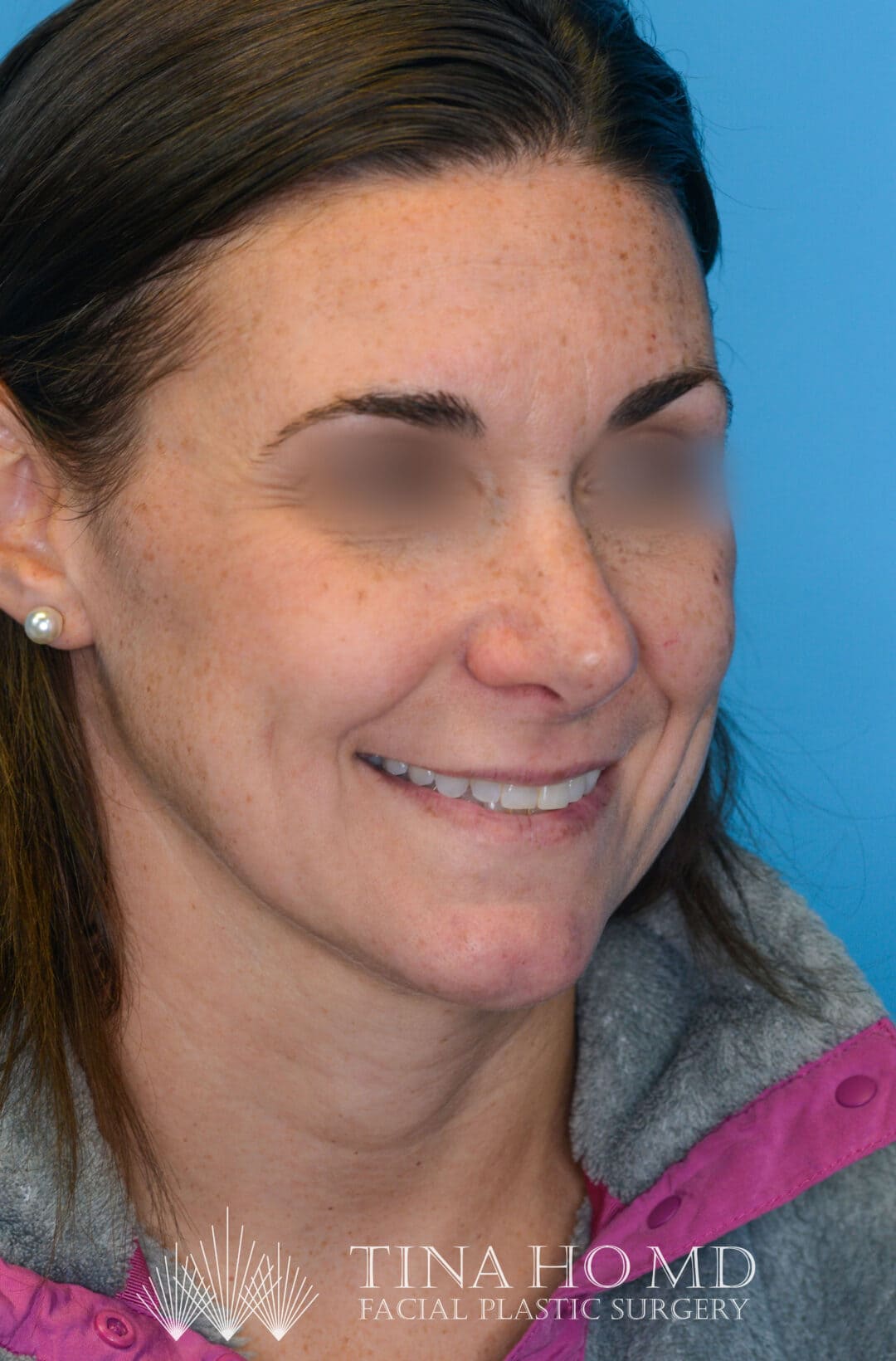



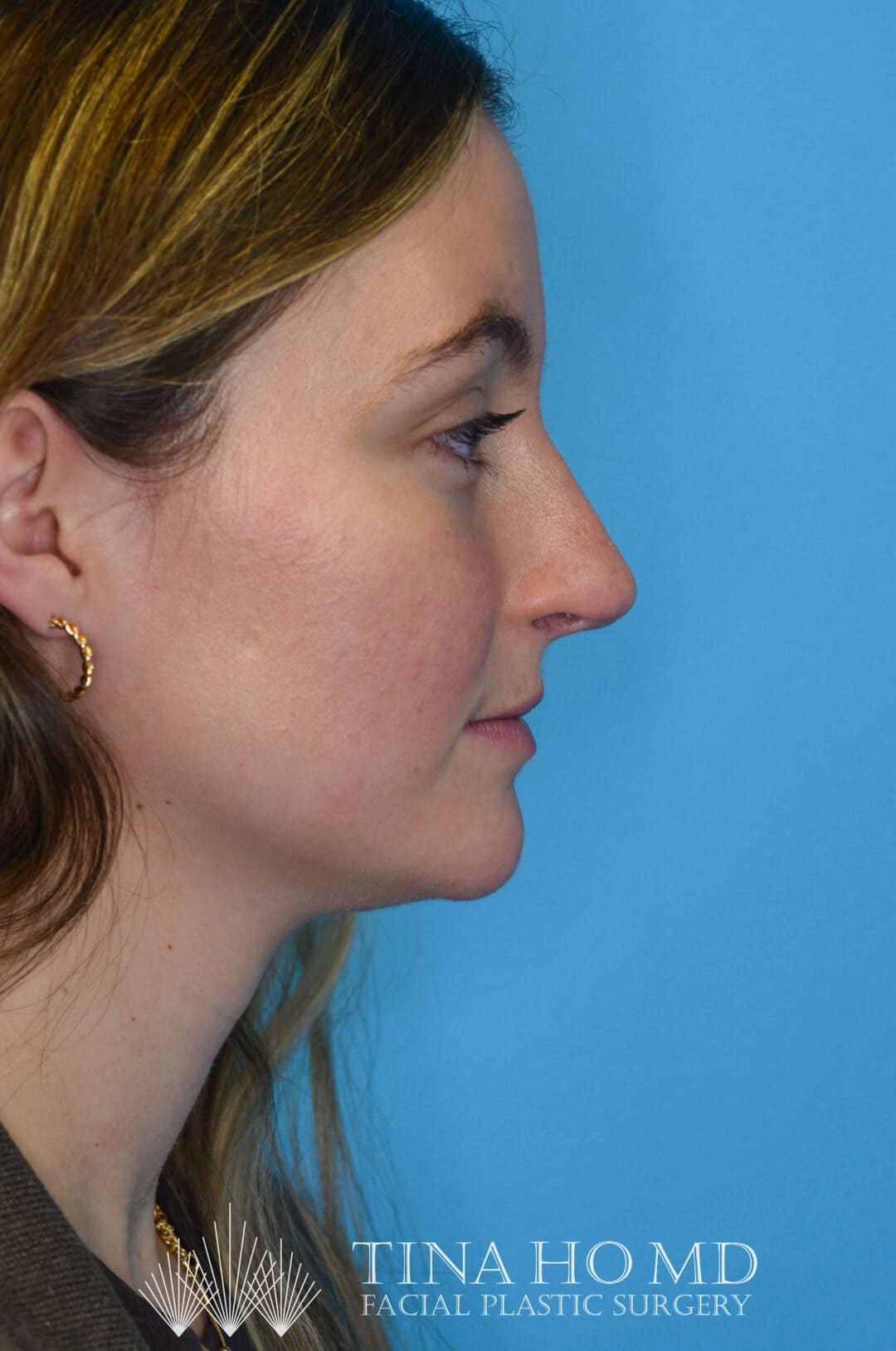
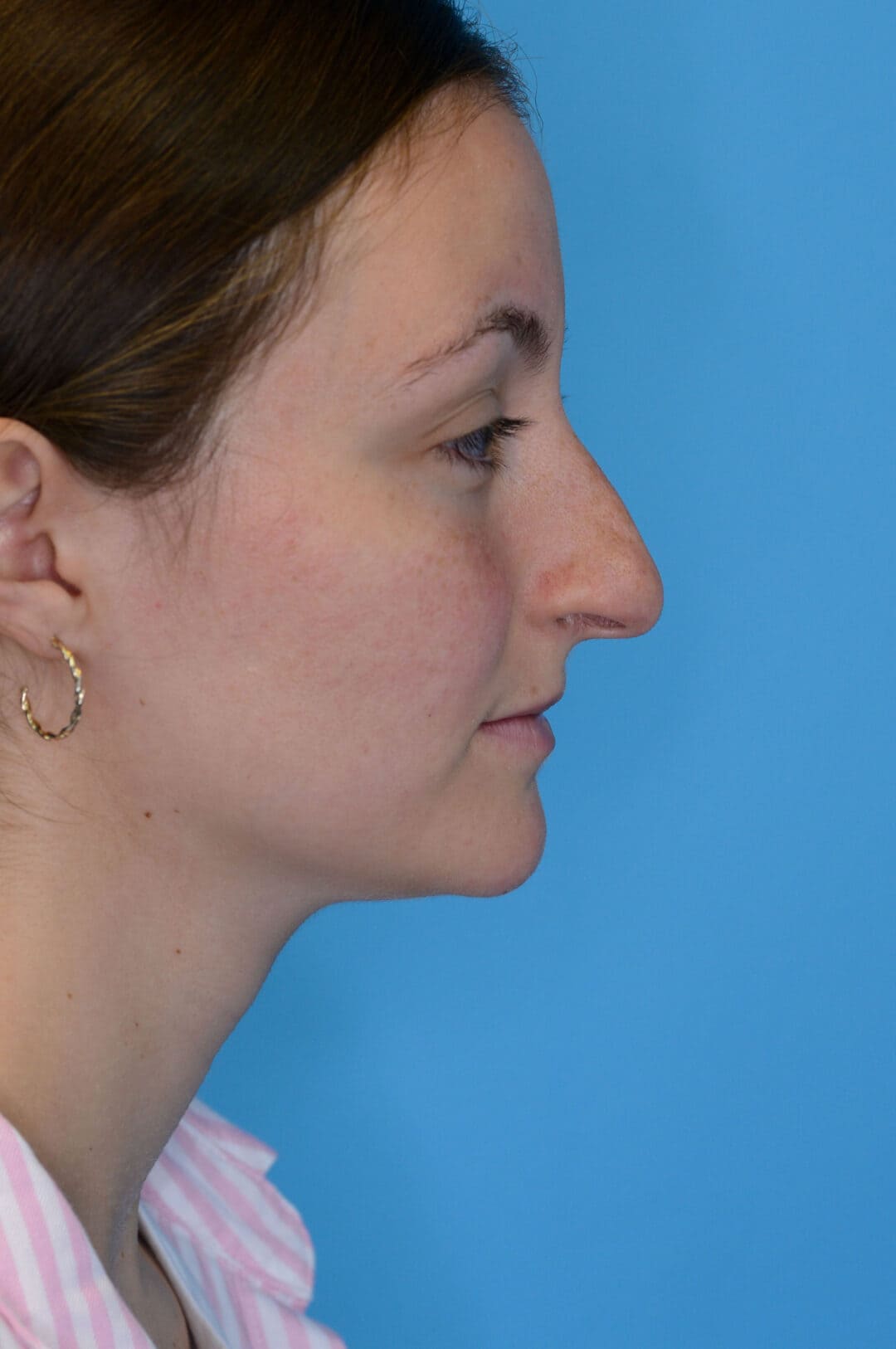
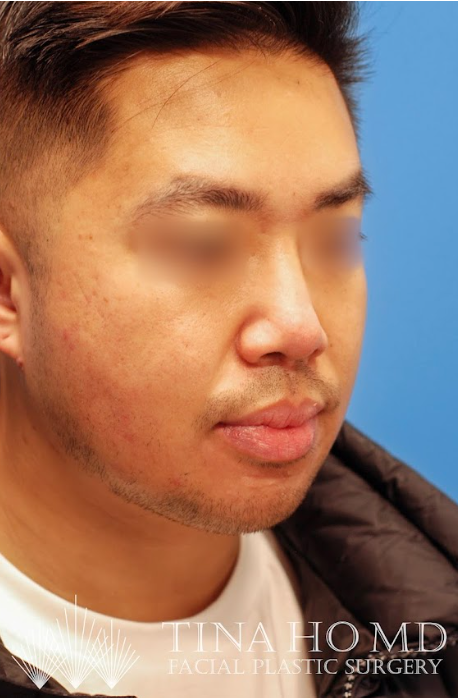
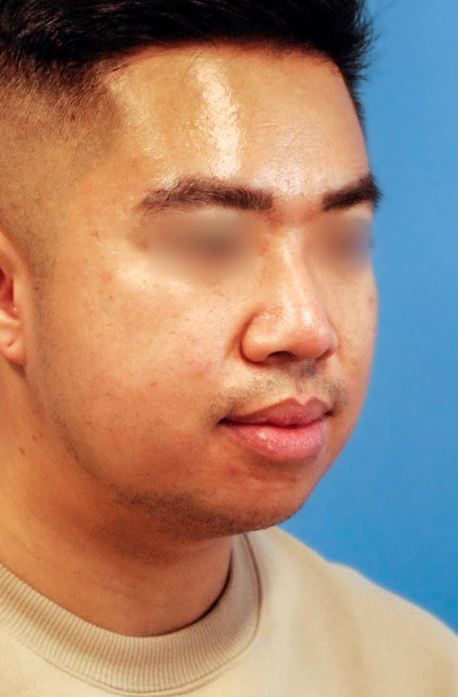
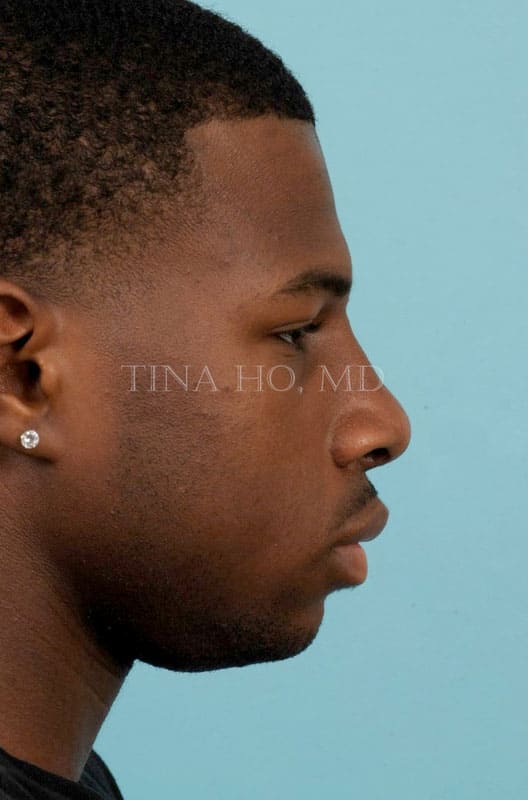
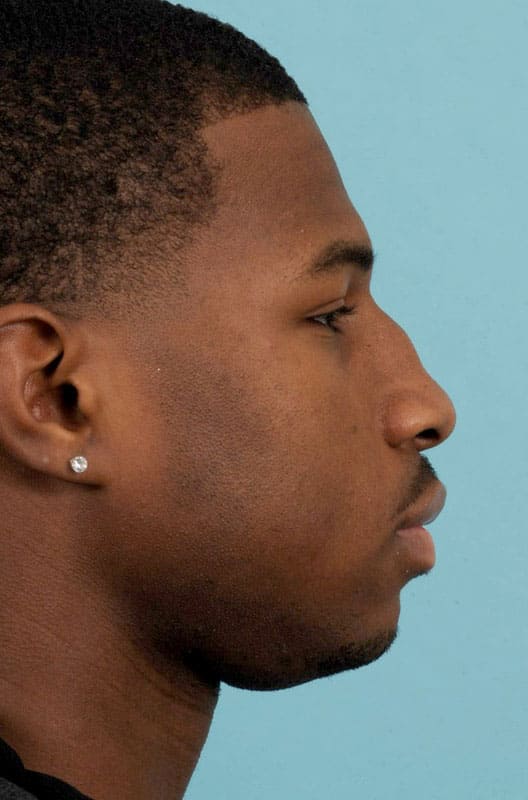
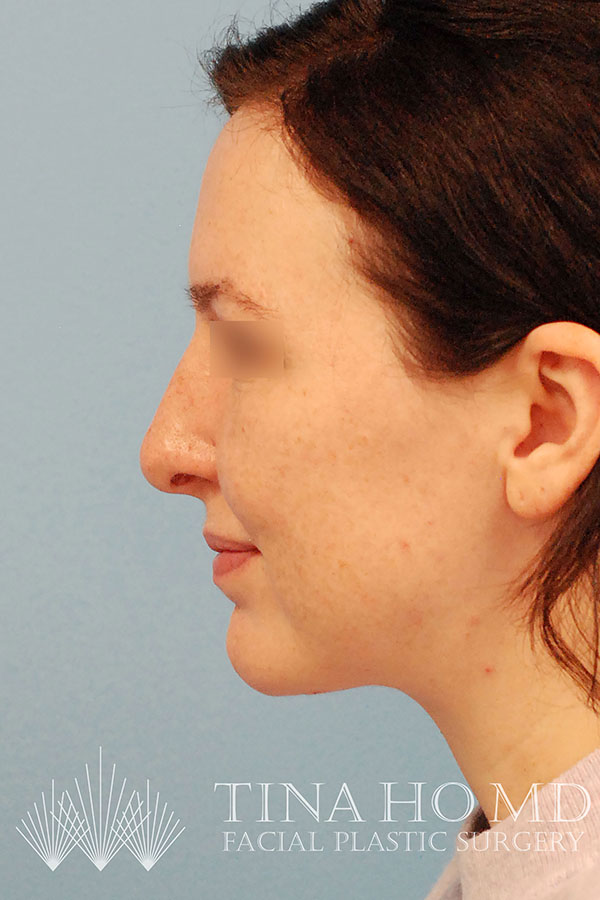
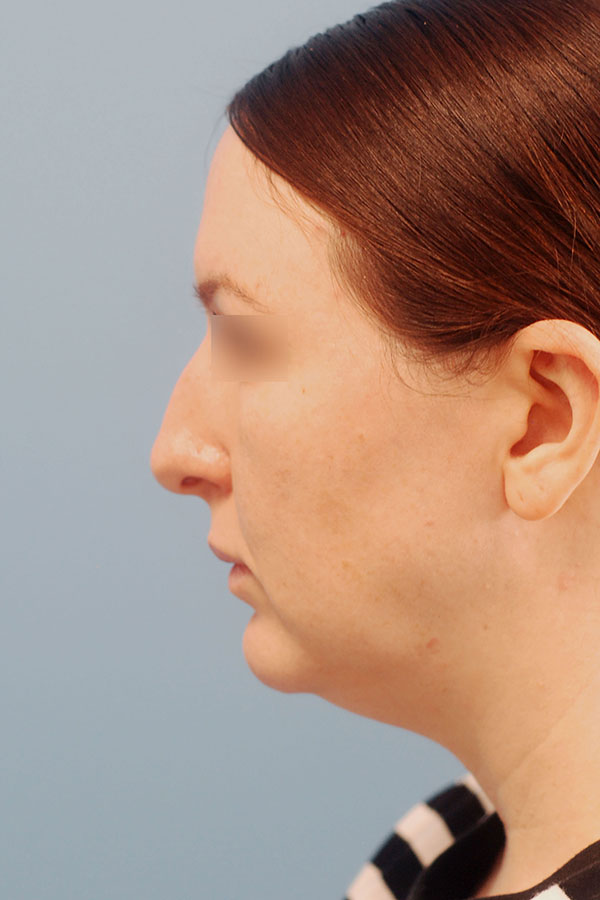
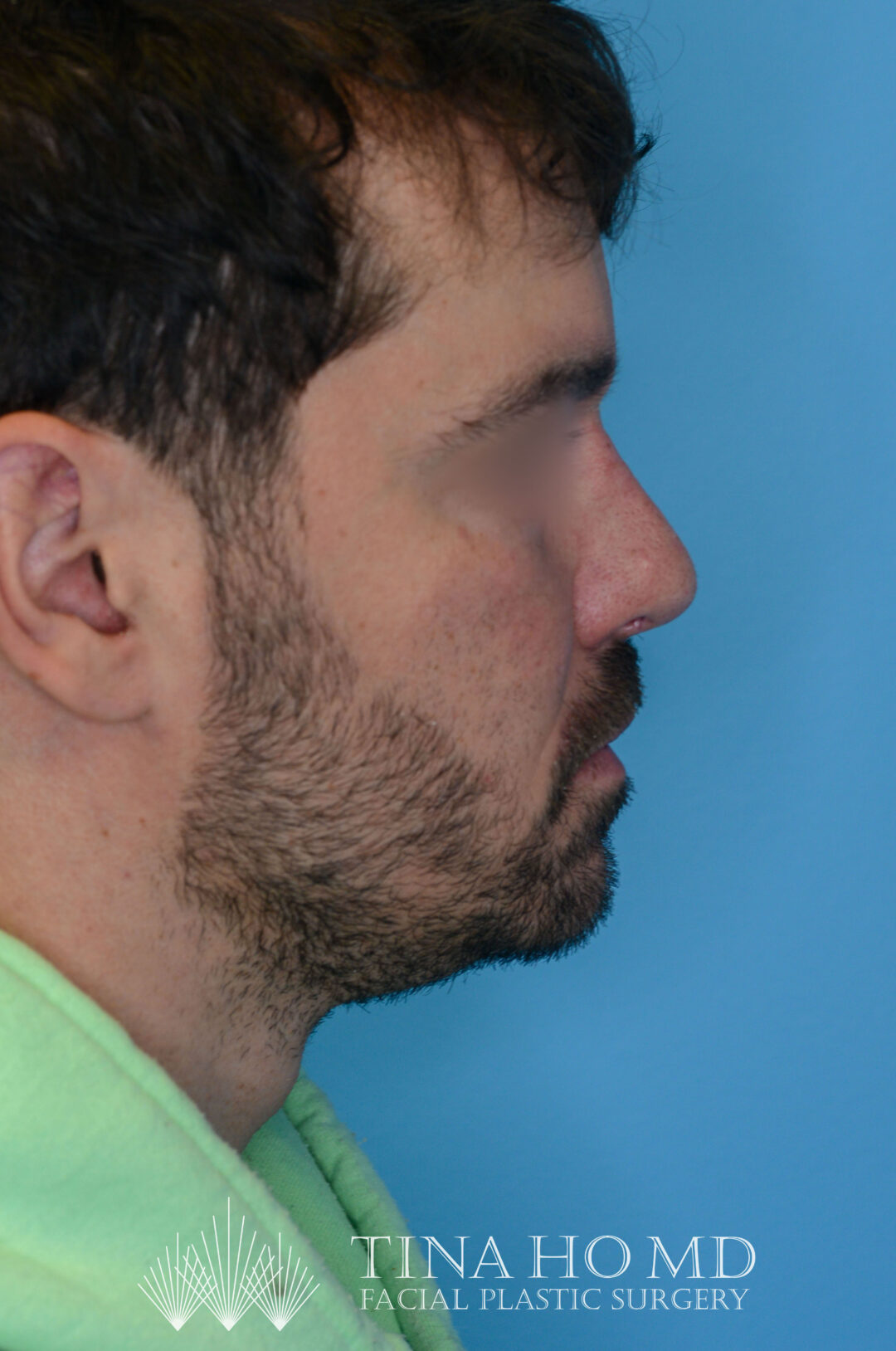
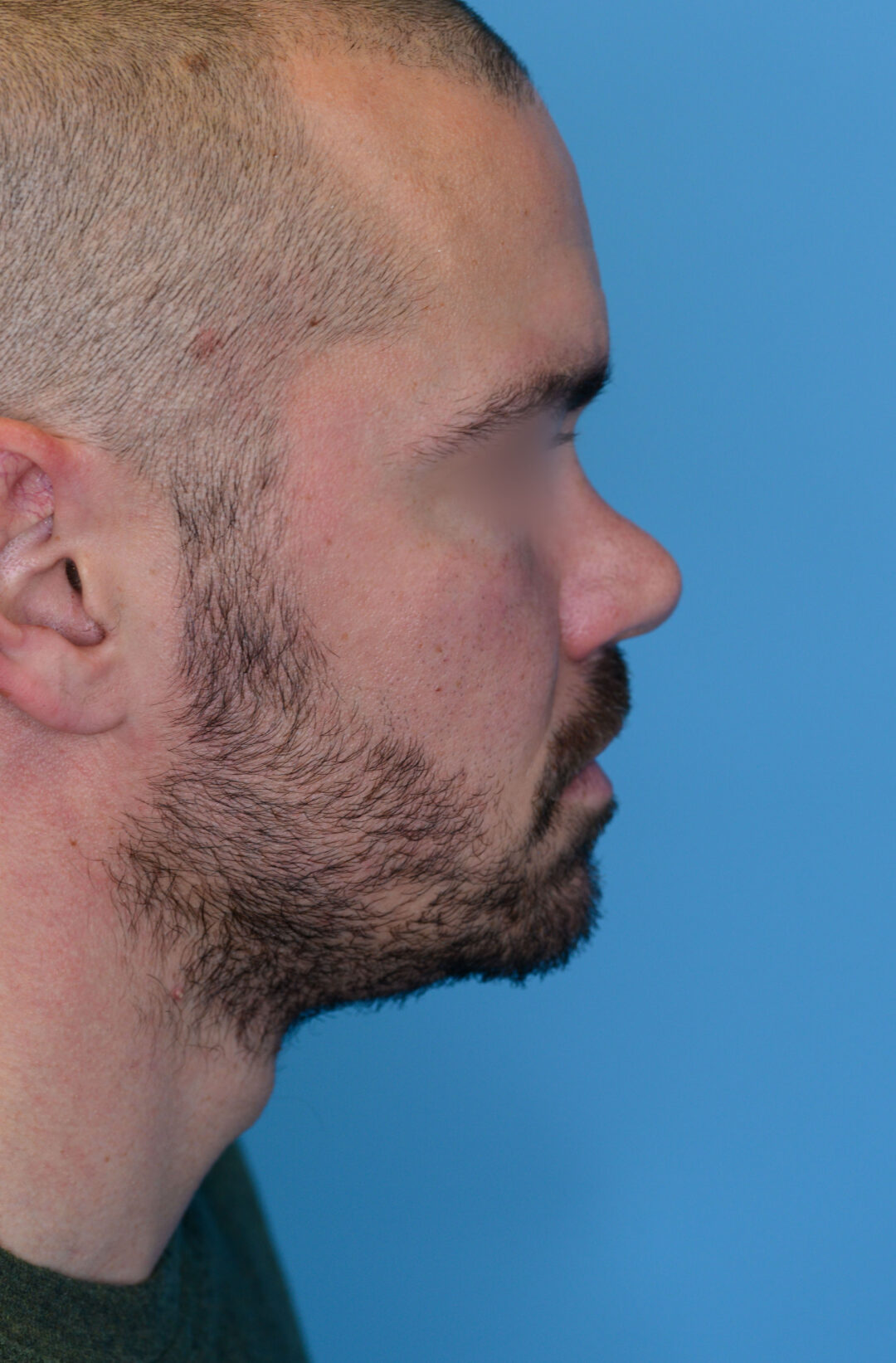
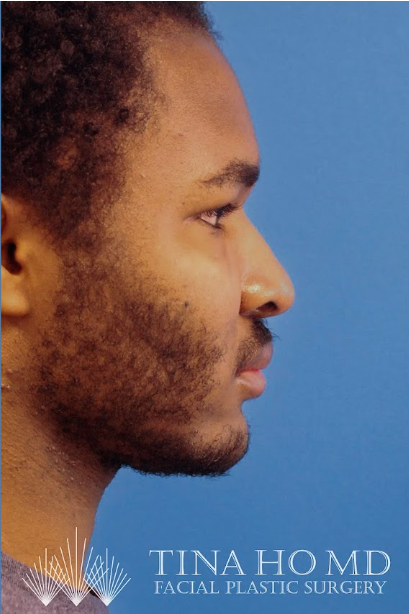
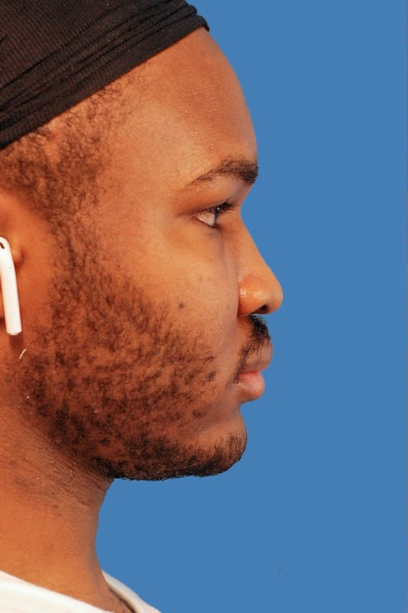
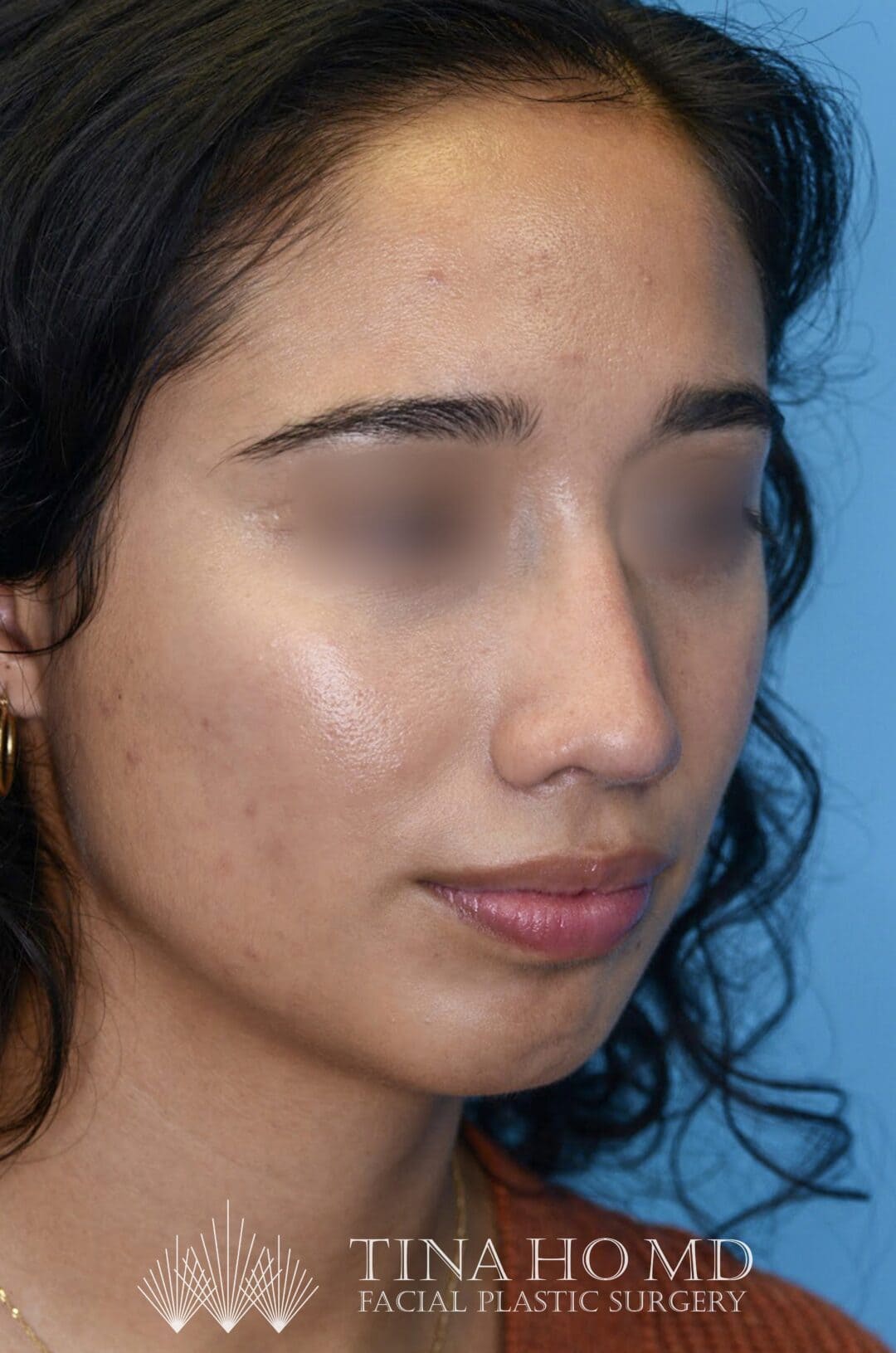
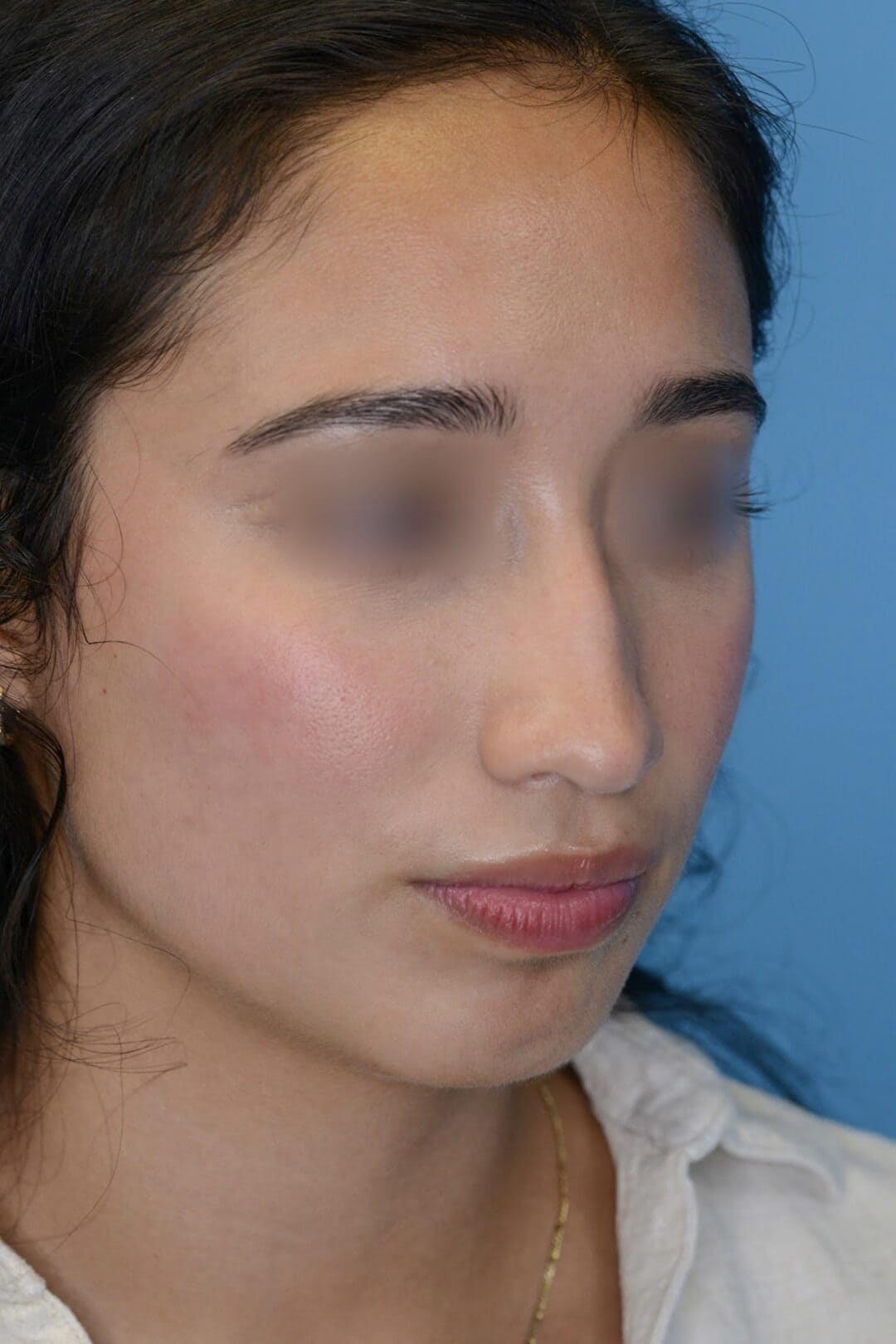
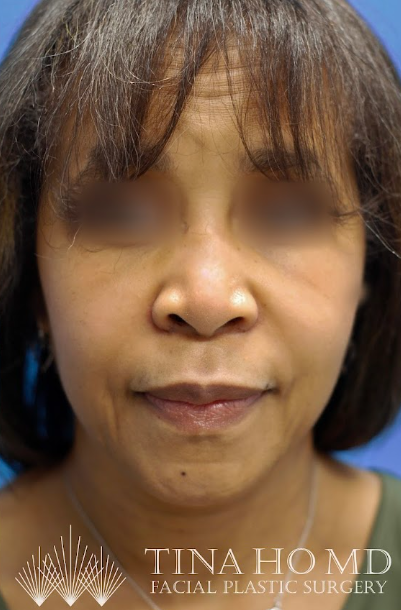
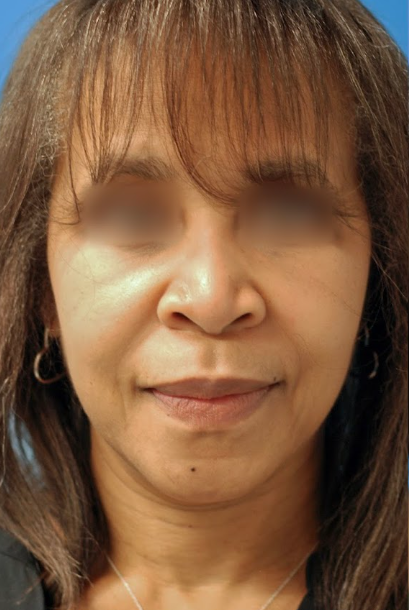
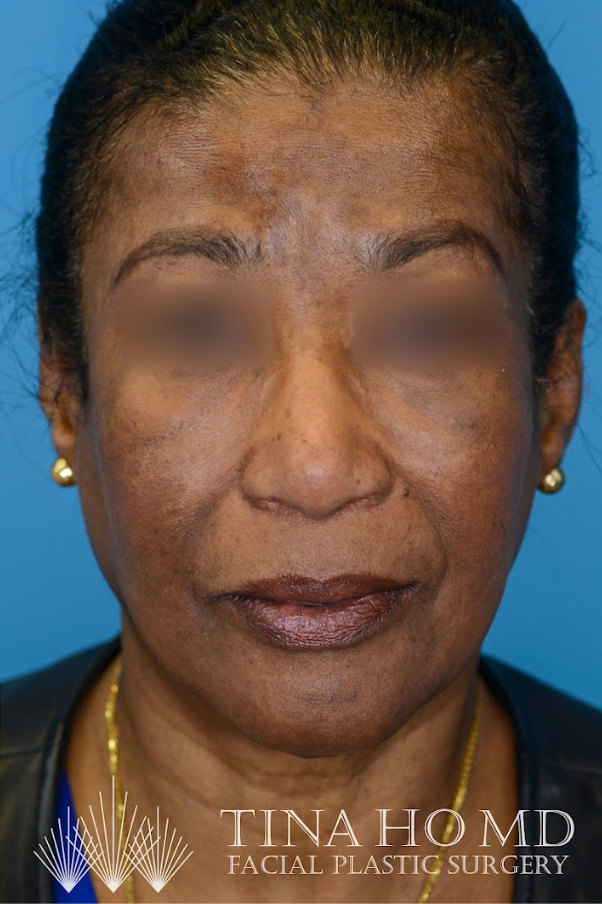
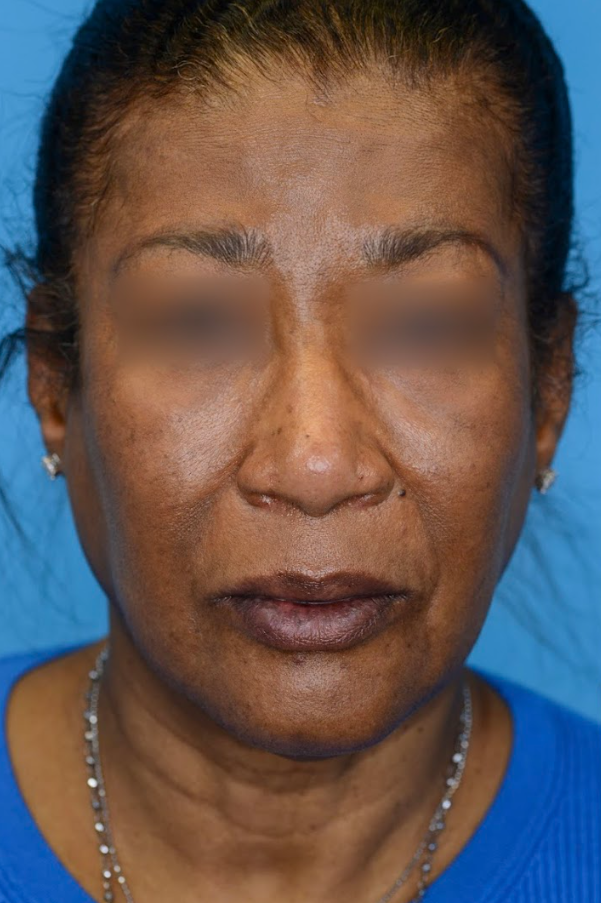
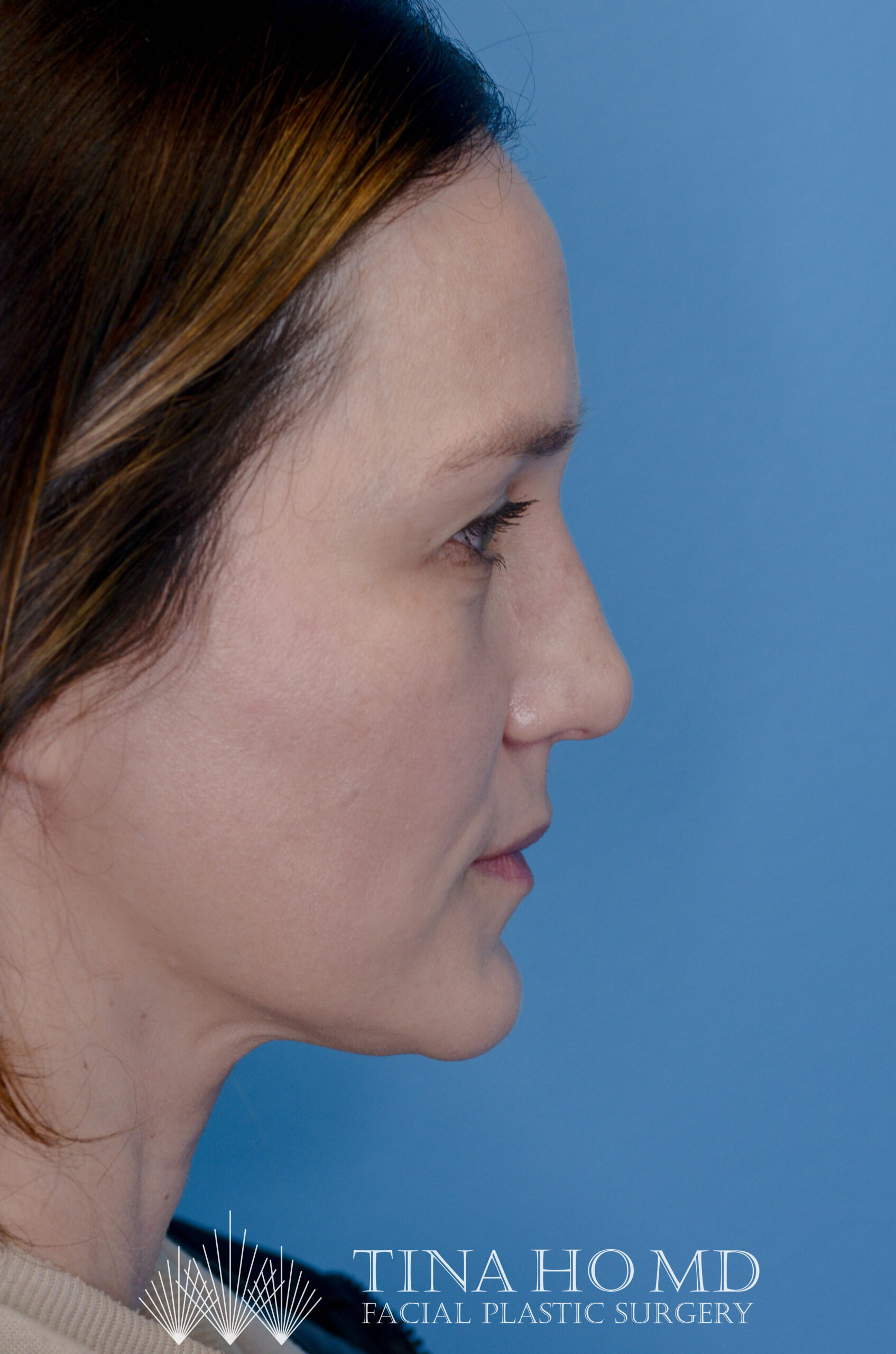
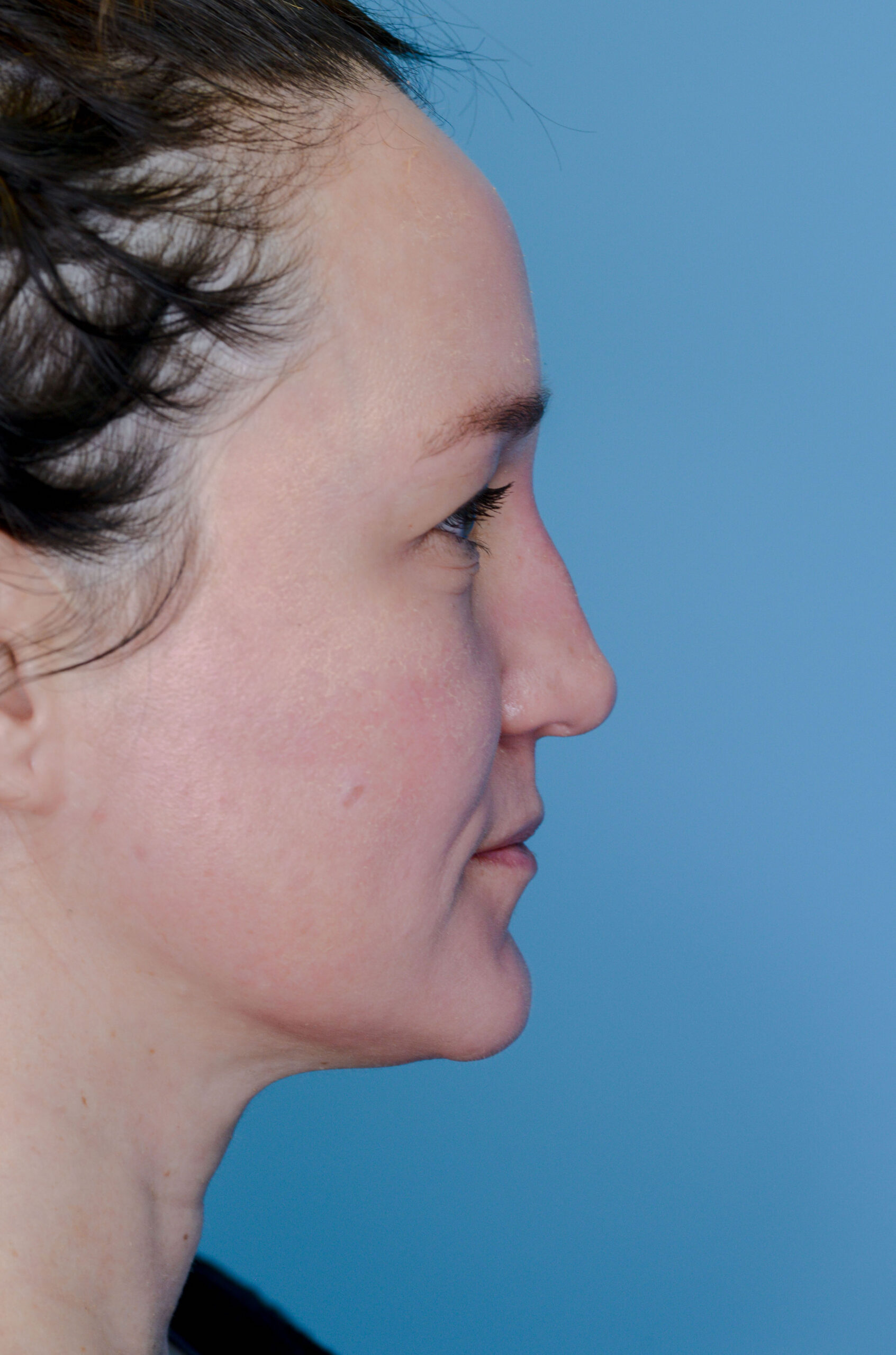
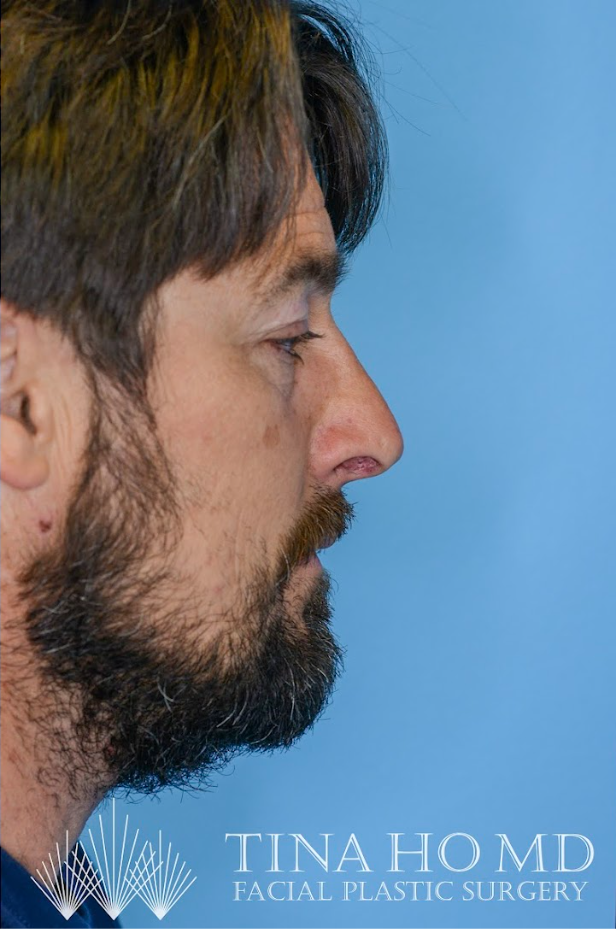
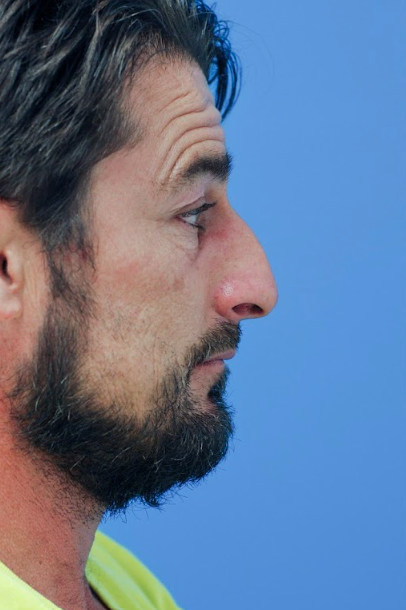
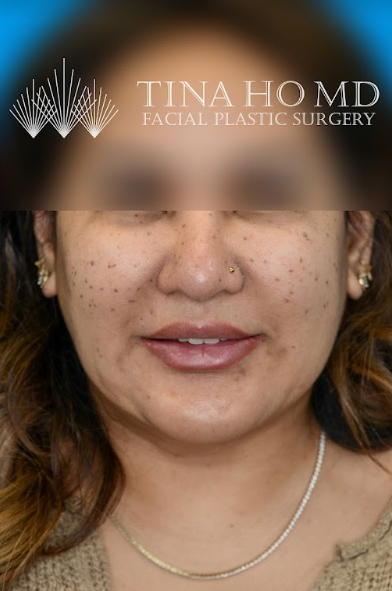
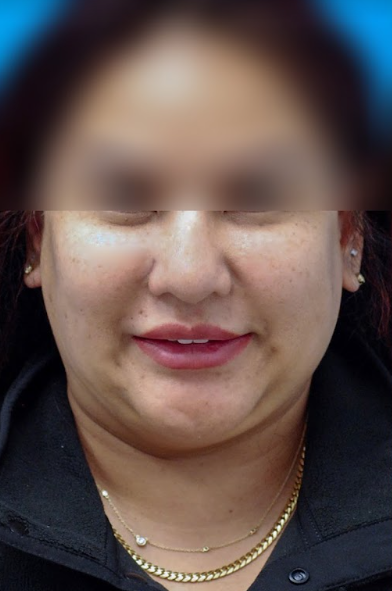


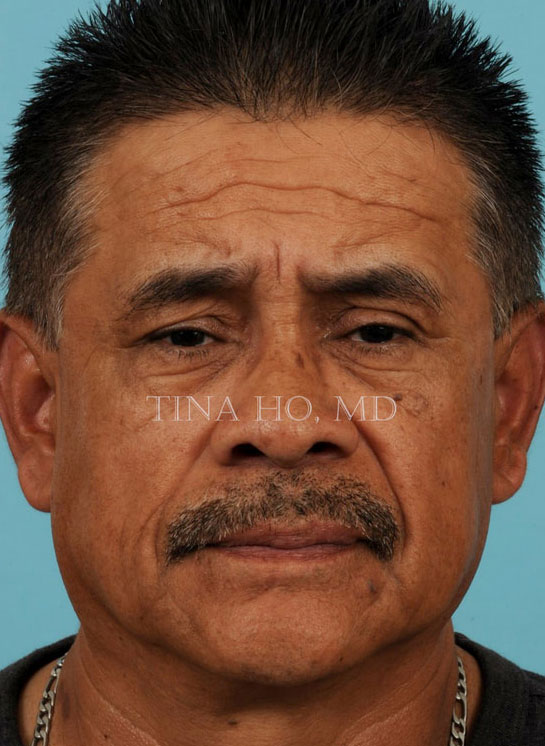
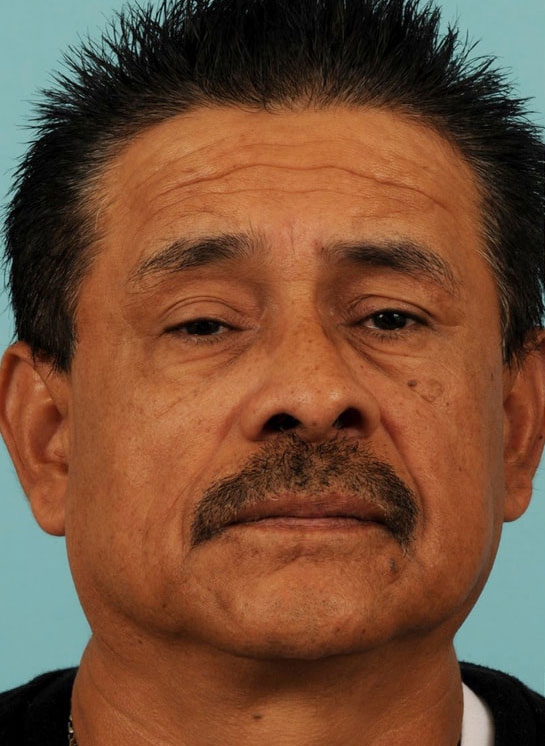
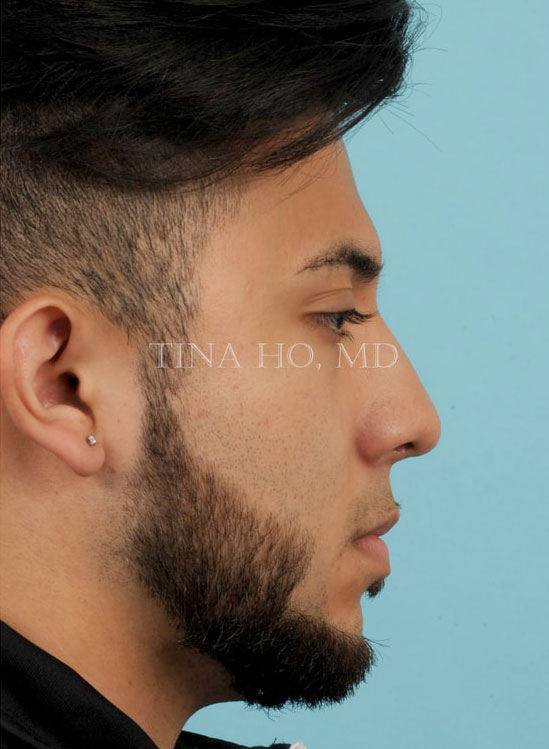
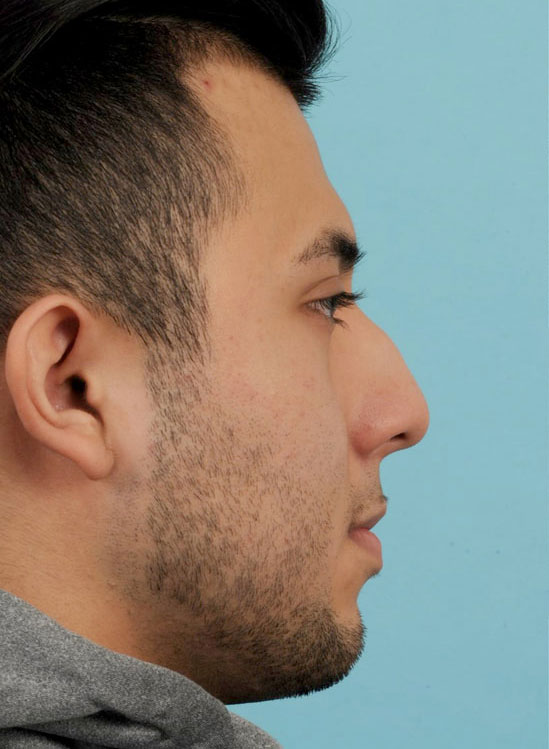
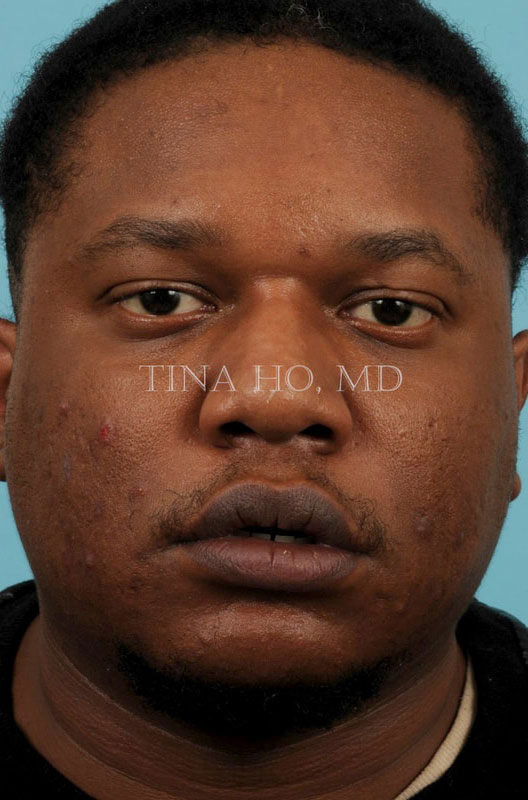
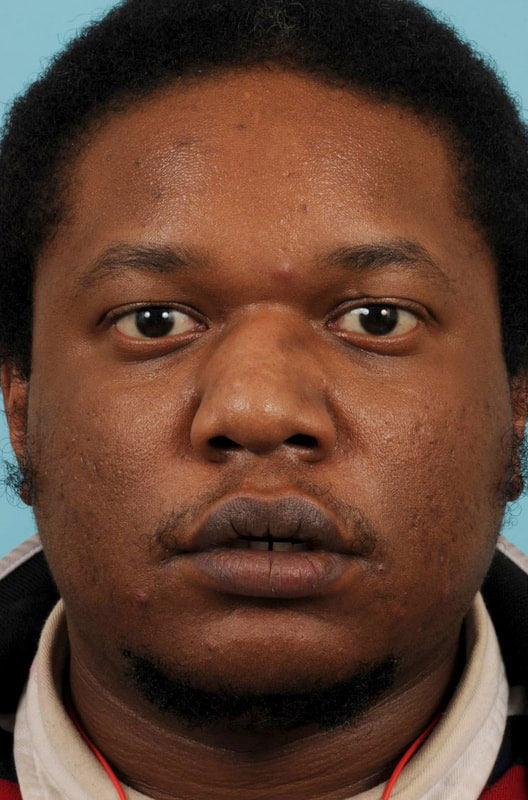
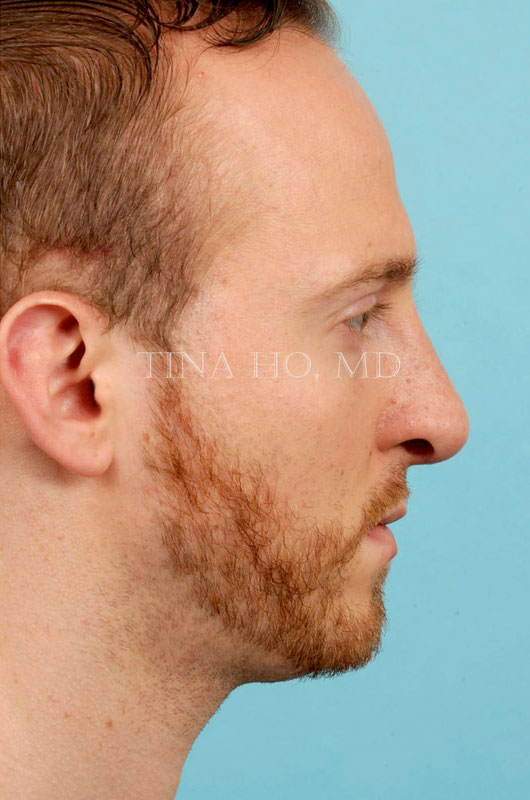
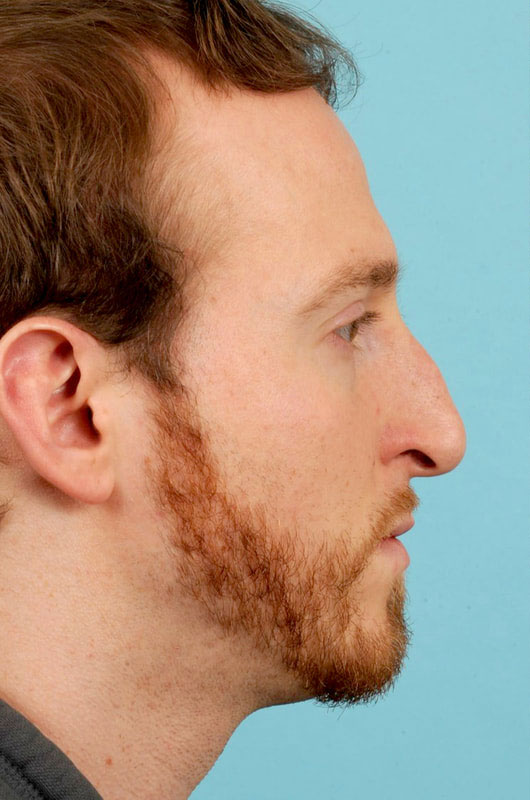
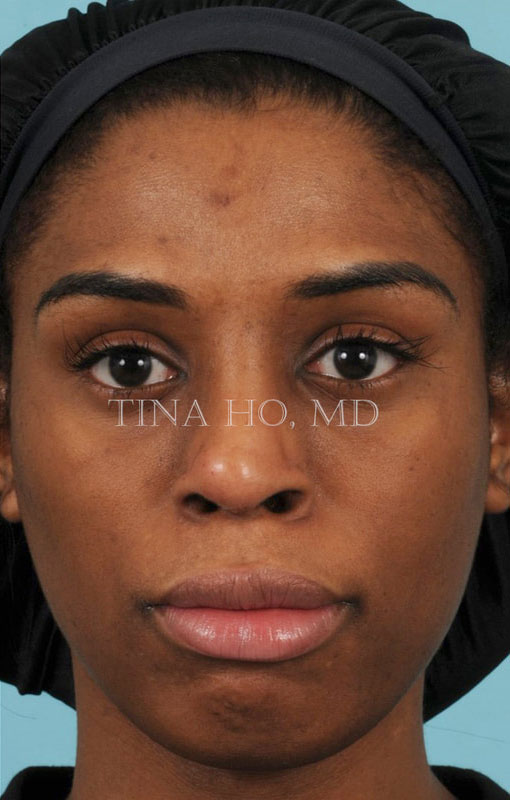
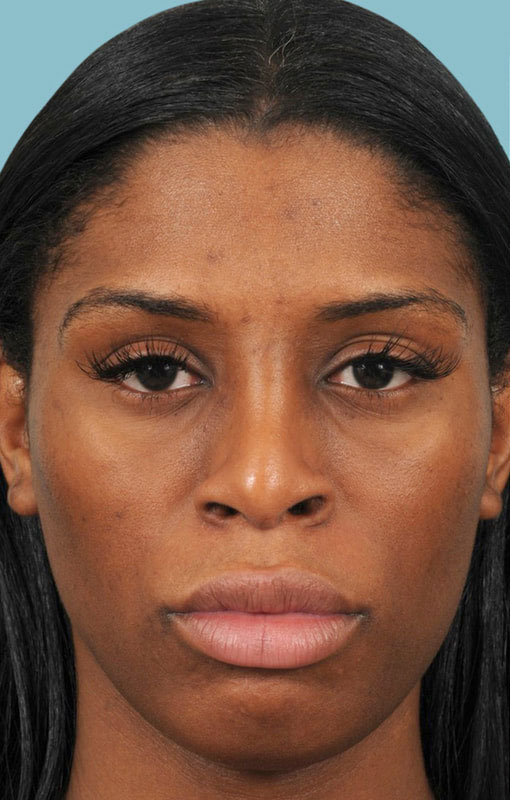
Benefits of an Ultrasonic Nose Job
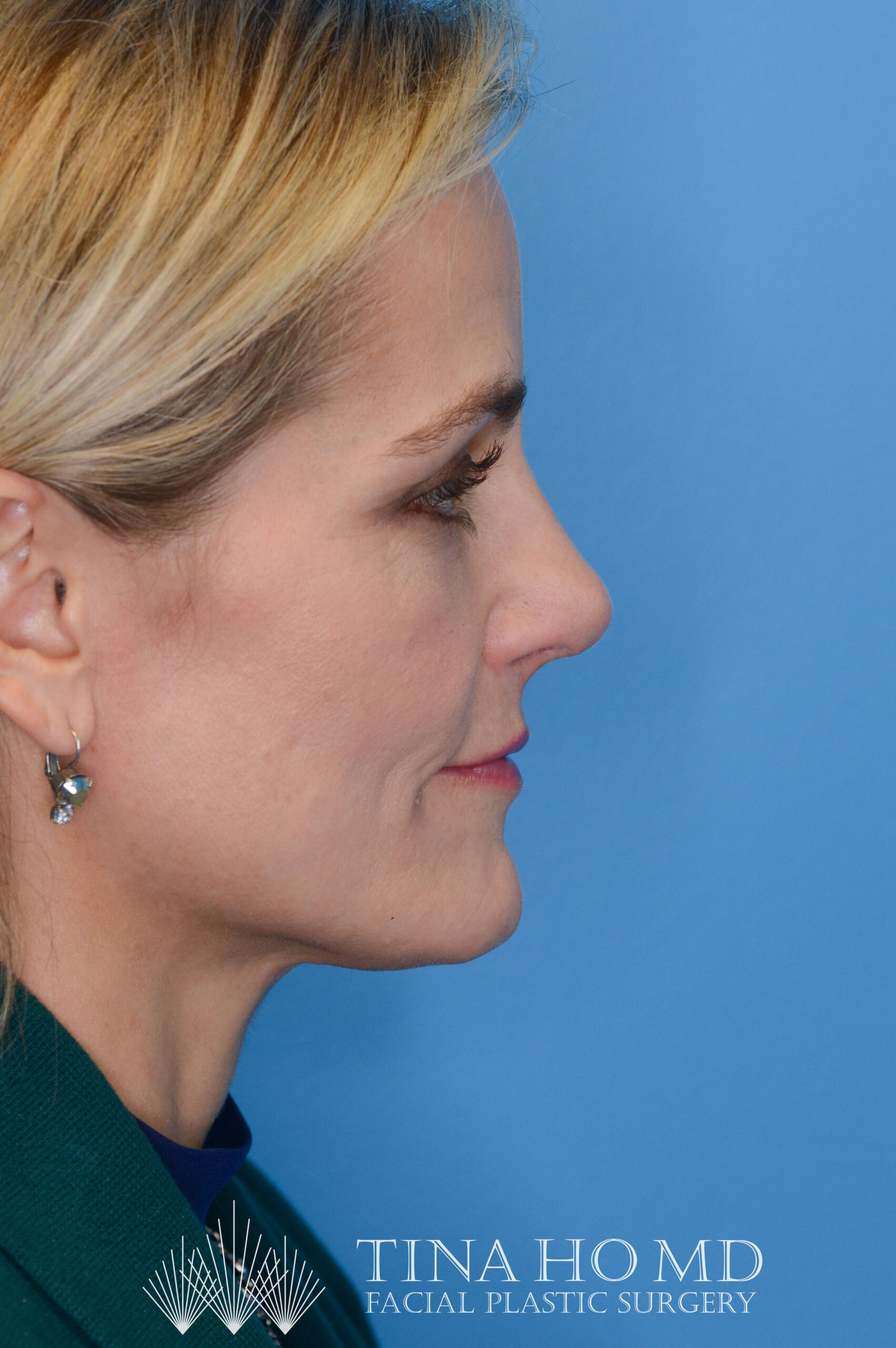
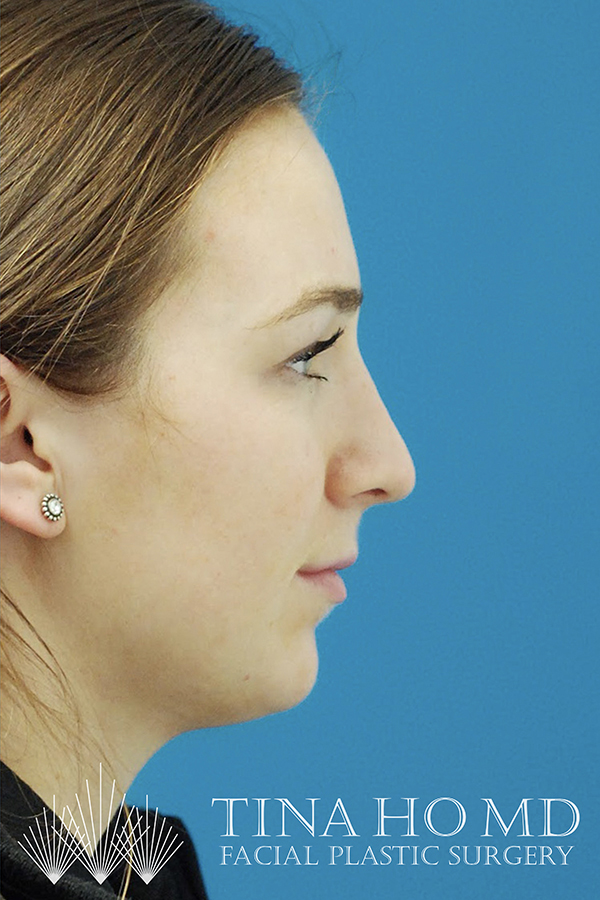
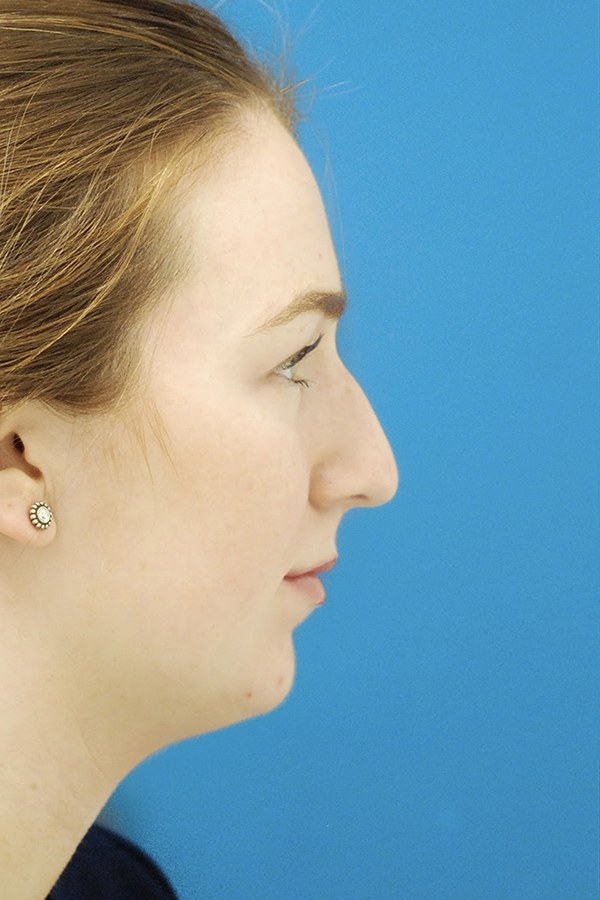
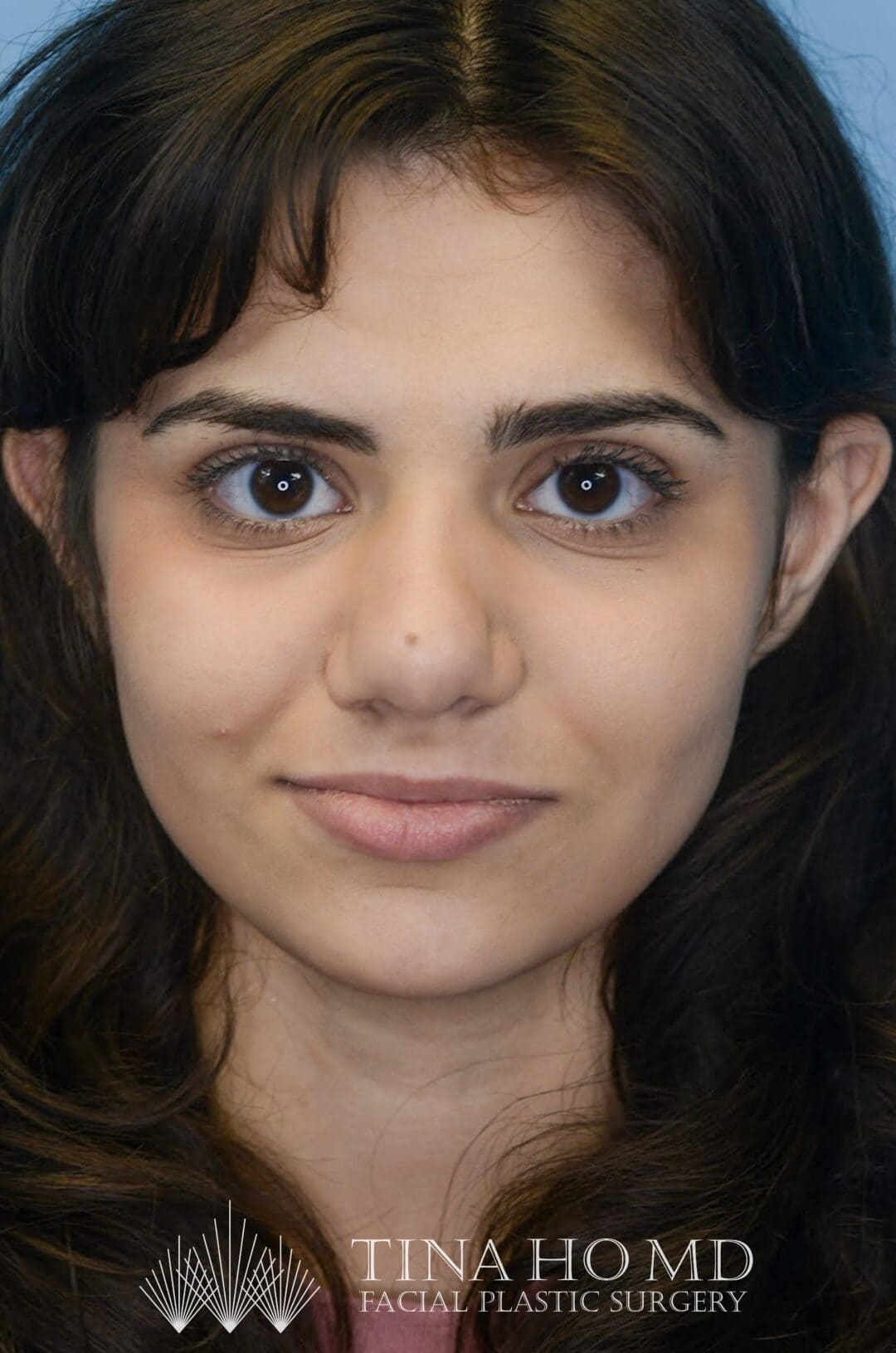
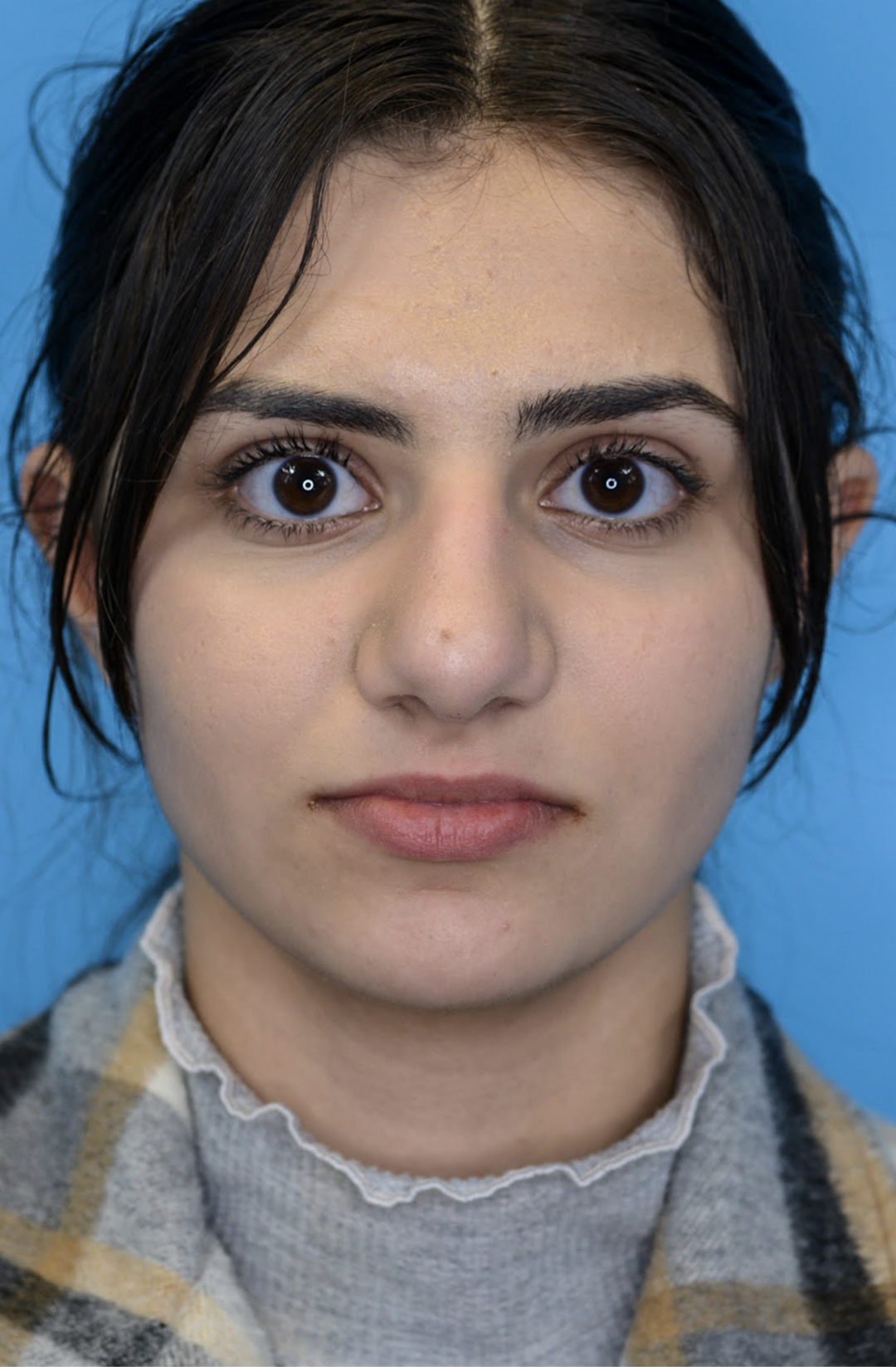
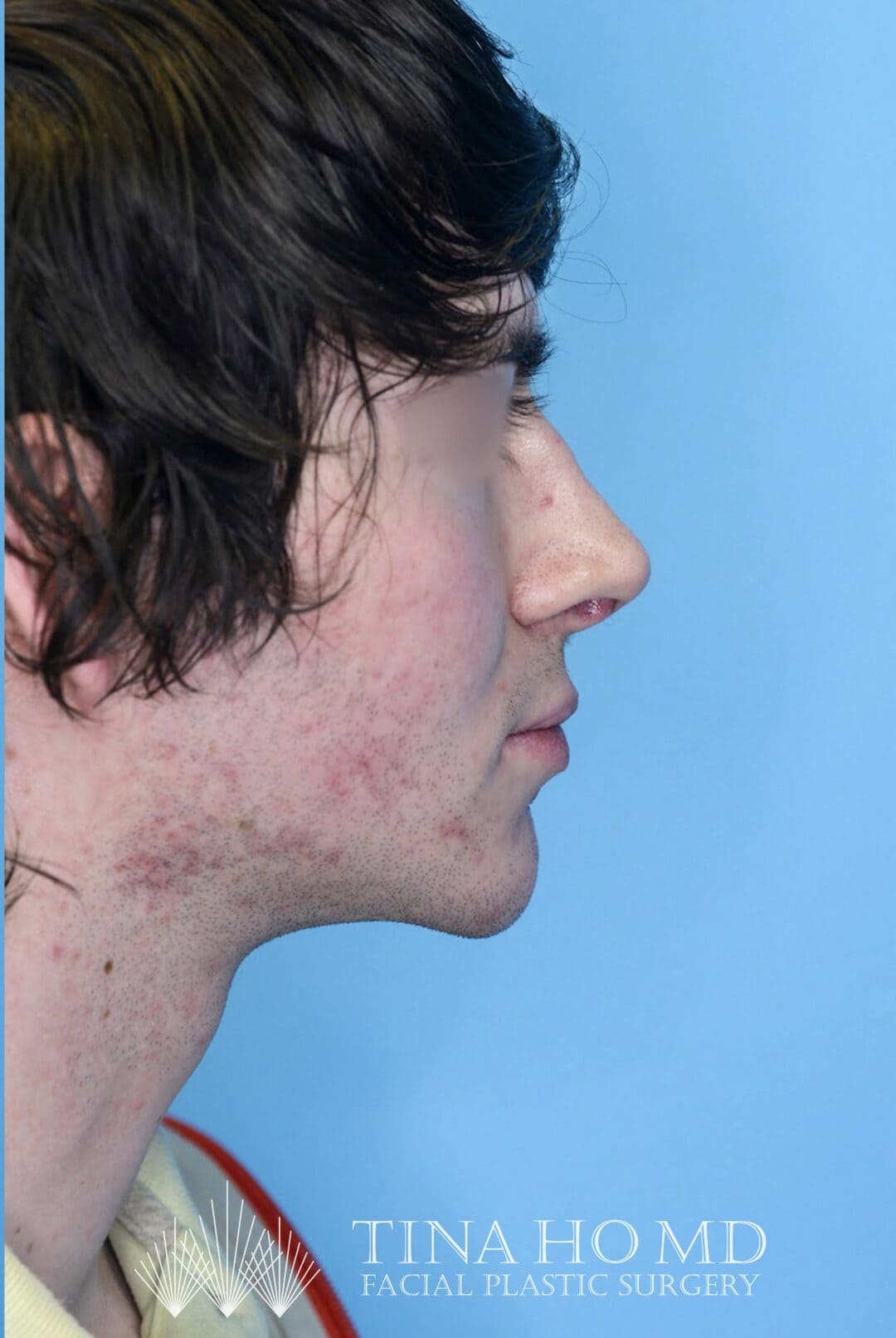
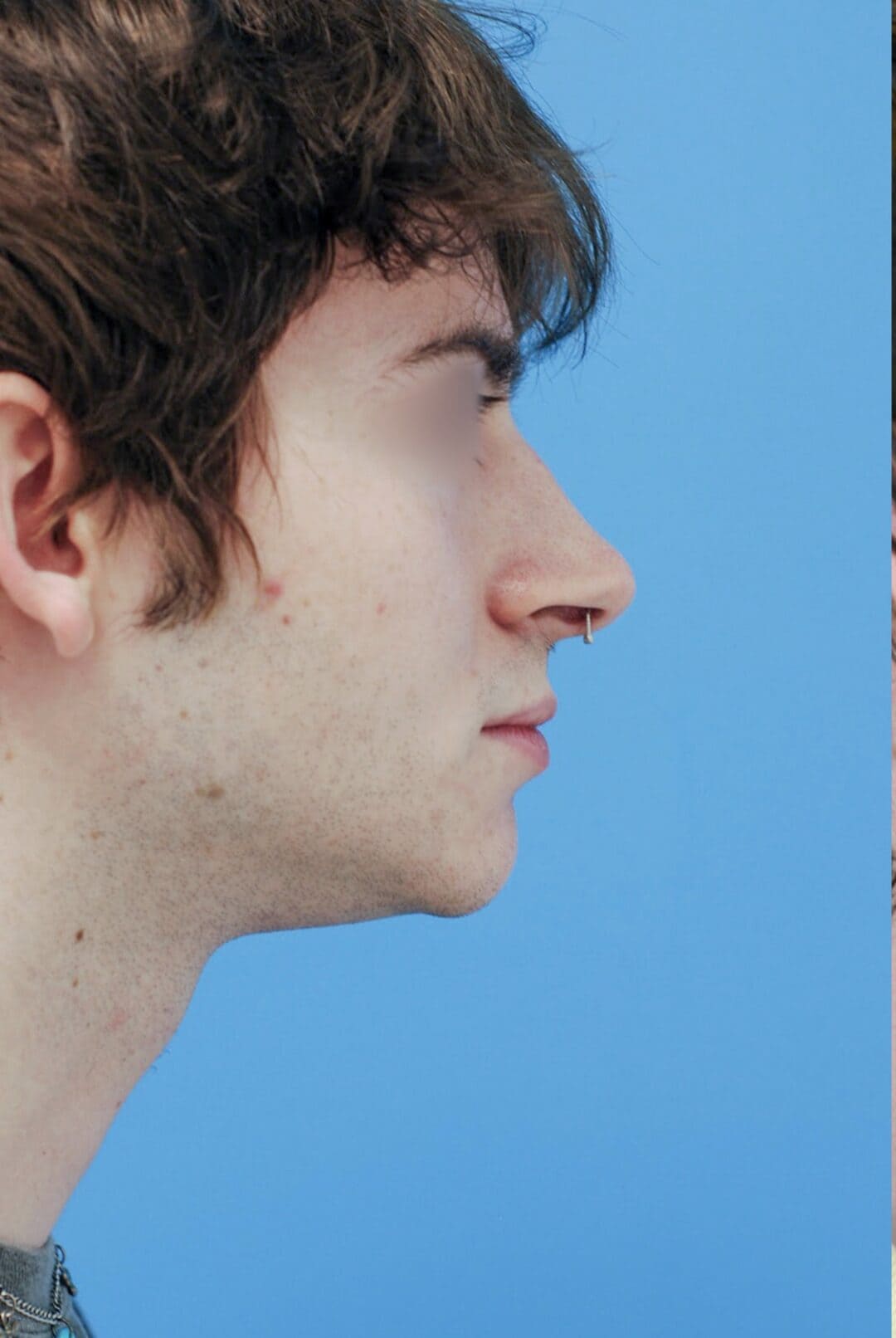
An ultrasonic piezo nose surgery allows plastic surgeons to reduce damage to the surrounding skin and soft cartilage while effectively reshaping the bones and hard cartilage of the nose. This advanced technique provides significant benefits for our Philadelphia patients, including:
Less trauma to surrounding skin, mucosa, and soft tissue areas
Reduced post-surgical swelling, pain, and bleeding
More precise and predictable results
Reduced risk of revision surgery
Compatible with preservation rhinoplasty techniques
Improved aesthetic outcomes






Why Choose Dr. Tina Ho for Ultrasonic Rhinoplasty?
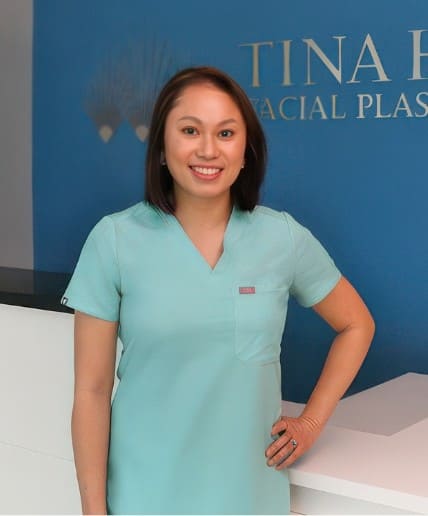
Dr. Ho stands out among her plastic surgeon peers in Philadelphia and Wayne as a double board-certified rhinoplasty specialist with dedicated training in rhinoplasty including cosmetic and functional rhinoplasty, revision rhinoplasty, preservation rhinoplasty, ultrasonic rhinoplasty, tip plasty, and ethnic rhinoplasty from one of the top rhinoplasty surgeons in the world. She understands the complex and delicate nature of rhinoplasty as one of the most challenging procedures to master in plastic surgery and stays up to date on the latest techniques to achieve the best, most natural surgical results for her patients. From the initial consultation to day of surgery to every follow-up visit, Dr. Tina Ho maintains an unwavering commitment to each rhinoplasty patient to maximize the success of their surgical outcome. She devotes the needed time and effort every step of the way of the rhinoplasty journey to ensure each patient feels comfortable and satisfied with their individualized surgical plan and results. Dr. Ho understands the importance of the nose as the central feature of the face and takes to heart the investment and trust each rhinoplasty patient instills in her as their surgeon. Dr. Ho specializes in rhinoplasty and will implement the most suitable techniques to improve the breathing function and shape of your nose and to elegantly restore facial harmony. Dr. Ho is known by her patients as one of the best Philadelphia rhinoplasty surgeons.
As a double board-certified facial plastic surgeon, Dr. Ho specializes exclusively in aesthetic and reconstructive procedures of the head and neck region. She possesses dedicated training in functional and cosmetic rhinoplasty from one of the top facial plastic and reconstructive surgery fellowship programs in the country under mentor Dr. Dean Toriumi, a world-renowned leading authority in rhinoplasty. Dr. Ho is a widely known regional rhinoplasty specialist with patients seeking her expertise from beyond Philadelphia and Wayne to throughout Pennsylvania, New Jersey, and New York. Dr. Ho dedicates ample time and effort with the aid of imaging software to establish realistic goals and expectations with every patient. She has the training and experience to implement the best surgical techniques, including the most suitable cartilage grafts and suturing maneuvers to improve the breathing function and shape of every nose. She always tailors her approach to the surgical needs and goals of the individual patient. Furthermore, Dr. Ho closely follows her patients after surgery to ensure that each patient heals well and is satisfied with their surgical outcome.
Am I a Good Candidate for Ultrasonic Piezo Rhinoplasty
A piezo rhinoplasty is ideal for men and women who require precise adjustments and reductions of the nasal bones. Good candidates for the procedure are those wishing to reduce dorsal humps or bumps, narrow the nasal bridge, correct asymmetries, or straighten a crooked nose. This technique is not suitable for patients needing mainly nasal tip adjustments and soft cartilage refinements as these are best handled using suture and graft techniques.
The ideal candidate should be in good mental and physical health with no significant medical conditions that can increase the risks of complications. Non-smokers and patients not on blood thinning medications are great candidates for rhinoplasty procedures. Having realistic expectations for the procedure is important for its overall success.
Your Ultrasonic Rhinoplasty Consultation
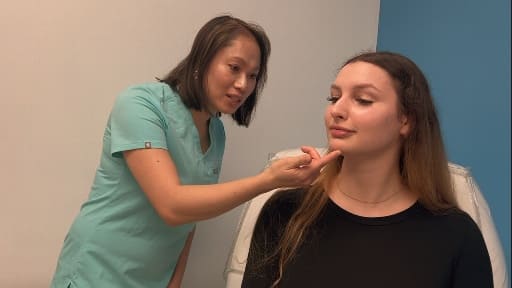
Your consultation for ultrasonic rhinoplasty will include a thorough evaluation of your nasal structure, skin thickness, and overall facial balance. Dr. Tina Ho will review your medical history, including any prior nasal surgery, breathing concerns, and conditions that may impact healing or recovery. You will be encouraged to discuss your aesthetic goals and functional concerns to help guide a personalized surgical plan. Dr. Ho will explain how ultrasonic technology allows for precise bone reshaping with minimal trauma. She will also review the procedure, recovery timeline, and expected outcomes, ensuring you feel informed, confident, and prepared before moving forward. Morphing imaging may also be pursued to help make sure you and Dr. Ho are on the same page regarding aesthetic goals.
What to Expect During an Ultrasonic Nose Job
The piezo rhinoplasty procedure starts with the administration of general anesthesia. Once the anesthesia has taken effect, an incision is placed on the columella (the skin between your nostrils). Additional incisions may be used during the surgery depending on your aesthetic needs.
Once the cartilage and bone requiring changes are exposed, Dr. Tina Ho will use the ultrasonic device to precisely cut, sculpt, and smooth away bone without the need to break or fracture it. This allows Dr. Ho to accurately make changes to the nose without injuring the surrounding soft tissues.
What to Expect After Piezo Nose Surgery
The recovery from an ultrasonic rhinoplasty is typically easier than a traditional rhinoplasty. The innovative techniques of piezo nose surgery reduce the amount of swelling and bruising experienced post-operatively. This results in less discomfort during the initial days of recovery.
Immediately after the surgery, a nasal splint will be applied to the nose to protect the surgical correction and will be removed approximately one week after surgery. Minimal bruising is typically noted after the splint is removed.
The majority of patients can return to sedentary work one to two weeks after surgery. However, it is important to avoid physical exercise and strenuous activities for six weeks following the procedure.
Risk and Complications of Ultrasonic Rhinoplasty
The use of an ultrasonic device provides an innovative approach to limiting soft tissue damage and improving the accuracy of the procedure. This leads to a reduction in complications compared to traditional rhinoplasty but does not reduce them to zero. Understanding the risks of the procedure allows patients to make an informed decision on proceeding with the surgery. The risks include:
Post-Op Rhinoplasty Essentials
Expand each section below for more information.
Enhance Your Recovery with Elixir MD
The Elixir MD™ is an innovative recovery tool that offers various treatment programs using different LED light wavelengths to achieve specific pre and post-surgical goals. These programs are supported by advanced artificial intelligence temperature controls and adjustable settings to address a range of concerns and goals. This non-invasive therapy is safe, painless, and can reduce infections after surgery while also enhancing recovery and minimizing scarring after rhinoplasty surgery.
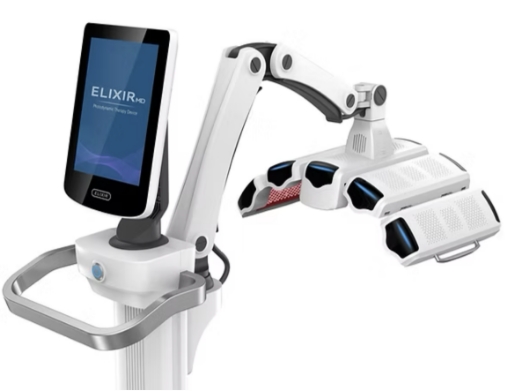
Benefits of Elixir MD
Enhanced post-operative recovery after rhinoplasty. Using LED light, Elixir MD™ stimulates the skin to accelerate wound healing and minimize scarring post-surgery.
Improved healing and cellular repair. Specific wavelengths stimulate collagen and elastin production, which are essential for healing after surgery.
Easier rhinoplasty recovery. Reduces inflammation responsible for swelling and pain after surgery.
Improved lymphatic drainage and blood flow. Enhances the delivery of nutrients and removal of waste for optimal healing.
Elixir MD Treatment Programs for Rhinoplasty
Elixir Detox
This pre-operative therapy uses blue light to reduce the number of bacteria, oils, and toxins on the skin, reducing surgical complications such as infection.
Elixir Cellular Repair
Post-rhinoplasty, Cellular Repair uses yellow light to improve circulation, reducing bruising and swelling, accelerating healing, and shortening recovery.
Elixir NeoXcell
The NeoXcell™ treatment program combines the benefits of Elixir Cellular and Thermal to boost healing and balance melanin production for a more even skin tone.
Elixir RoXium
RoXium™ uses yellow and blue light to reduce swelling/bruising, prevent skin oxidation, decrease sebum, minimize pores, and clear the complexion.
Ultrasonic Rhinoplasty Cost in Philadelphia
Ultrasonic piezo rhinoplasty costs can range from $6,000 to $15,000 on average depending on the surgeon’s experience and expertise, the geographic location, and the desire for additional procedures. As this procedure requires general anesthesia, the overall cost includes fees for the surgical facility and anesthesiologist. Cost of ultrasonic surgery is typically higher than that of traditional rhinoplasty to account for the cost of the equipment needed for precise results.
A detailed explanation of the procedure’s cost is provided at the first consultation as are the various financing options available through Dr. Ho’s office. As insurance typically does not cover this procedure, the upfront pricing allows patients to determine if the procedure makes financial sense for them.
Before and After
Dr. Ho’s Rhinoplasty Results
Septorhinoplasty: Before and After
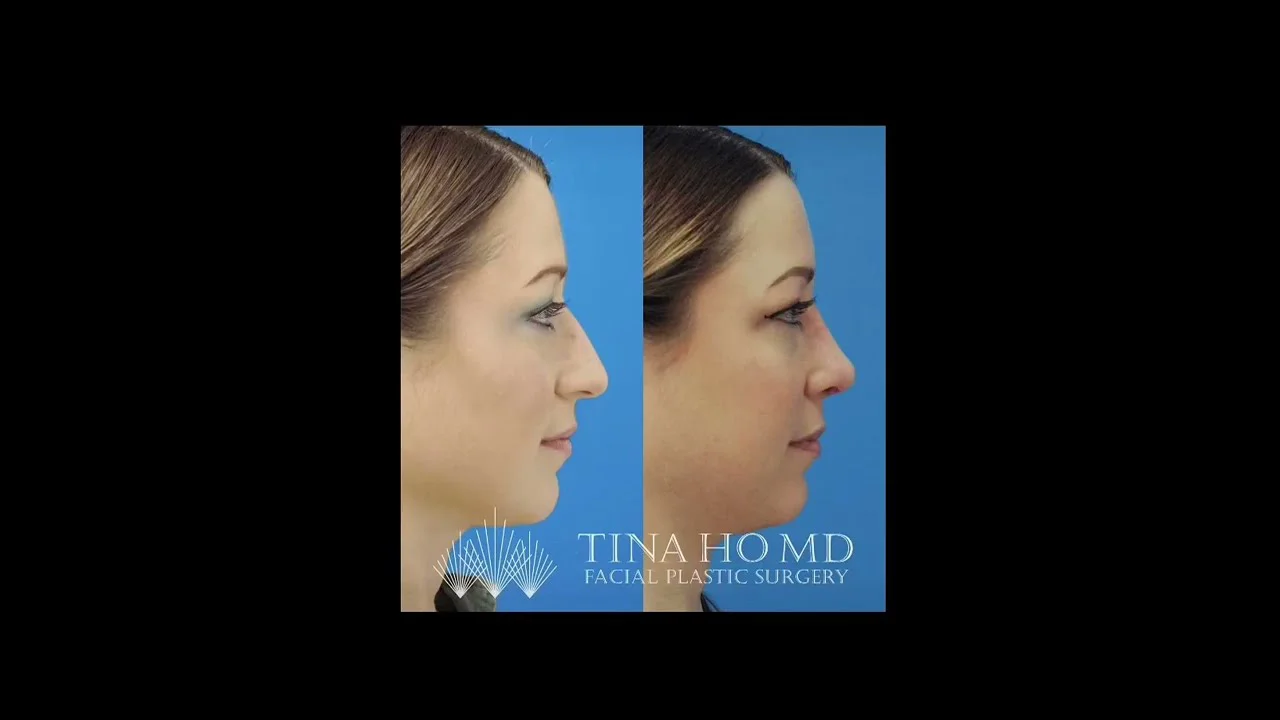
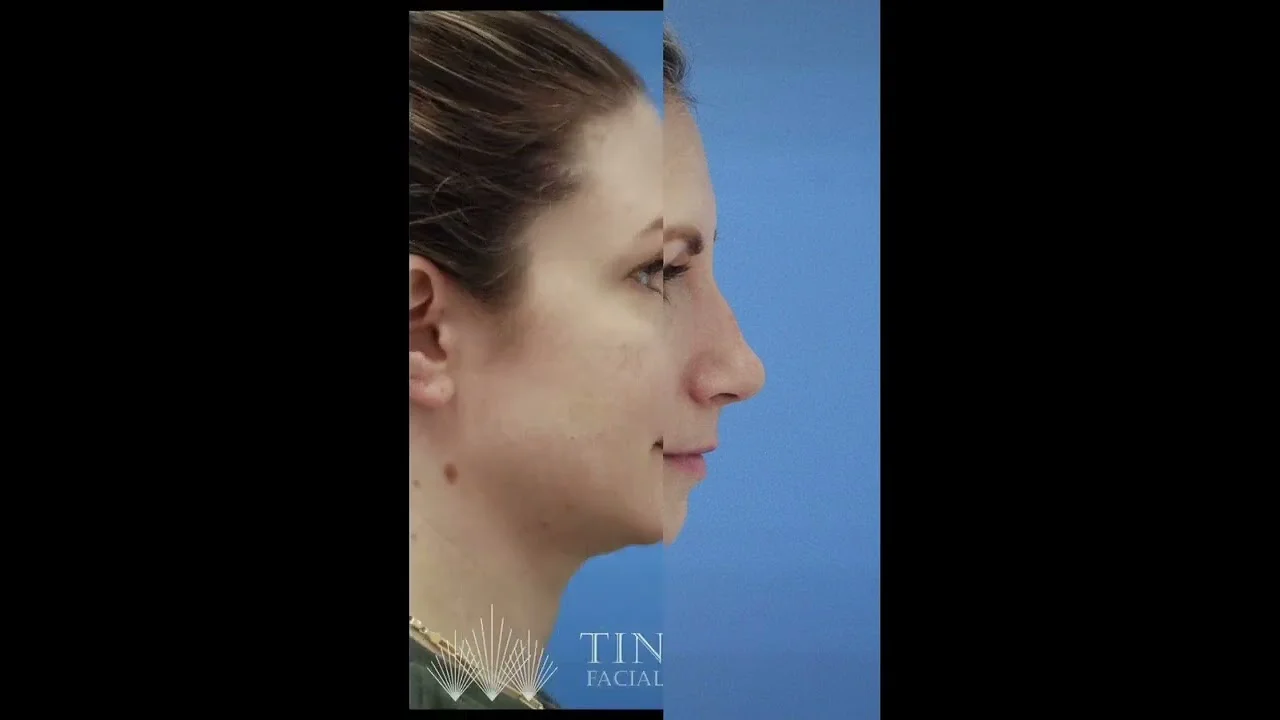
30 year-old female patient came to me for a rhinoplasty consultation, most bothered by nasal deformity issues including prominent nasal bones, crooked nose, nostril asymmetry, dorsal hump, and downturned, round tip with history of prior nasal trauma. We pursued an open septorhinoplasty to take down her hump and smooth out her nasal bones, straighten her nose, lift and refine her nasal tip and improve her nostril asymmetry. She wanted to maintain stronger, higher nasal bridge to preserve her Italian ethnicity. We are so thrilled with her beautiful, natural results demonstrated in this video on year later. Rhinoplasty is one of the most challenging procedures in plastic surgery – so many surgical techniques and maneuvers are implemented to create even the most subtle changes in the nose.
Revision Rhinoplasty: Before and After
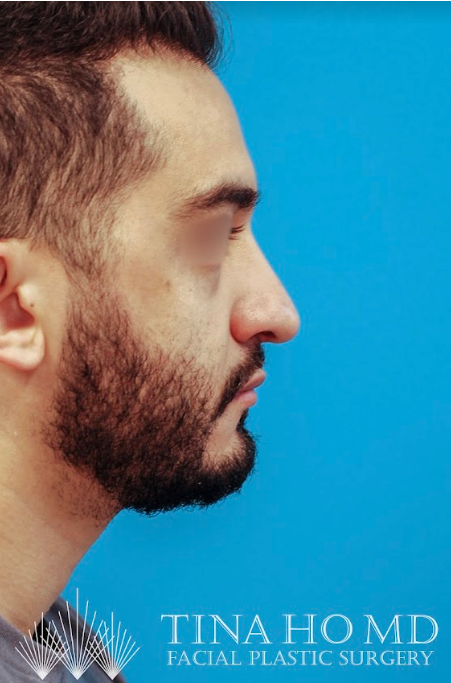
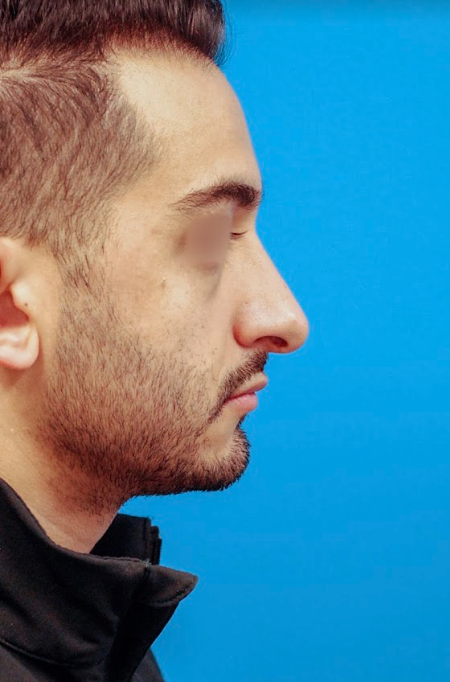
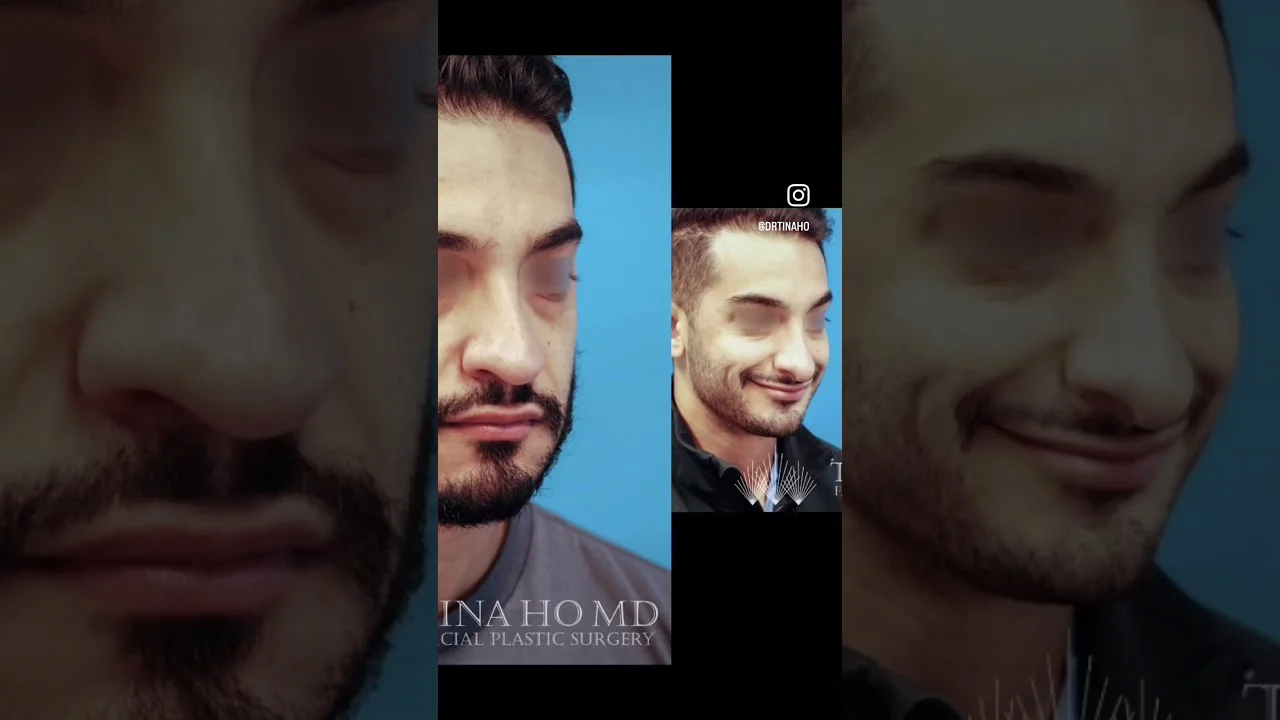
This wonderful male patient had a history of prior septorhinoplasty. He was still bothered by his long and droopy nasal tip. We pursued revision rhinoplasty to lift and deproject his nasal tip. Rhinoplasty is a matter of millimeters when it comes to results. Deprojection is one of the most complex procedures to perform and master in this surgery. We are so thrilled with his surgical outcome at one year out. Empowering patients with beautiful, natural results.
Closed Rhinoplasty: Before and After
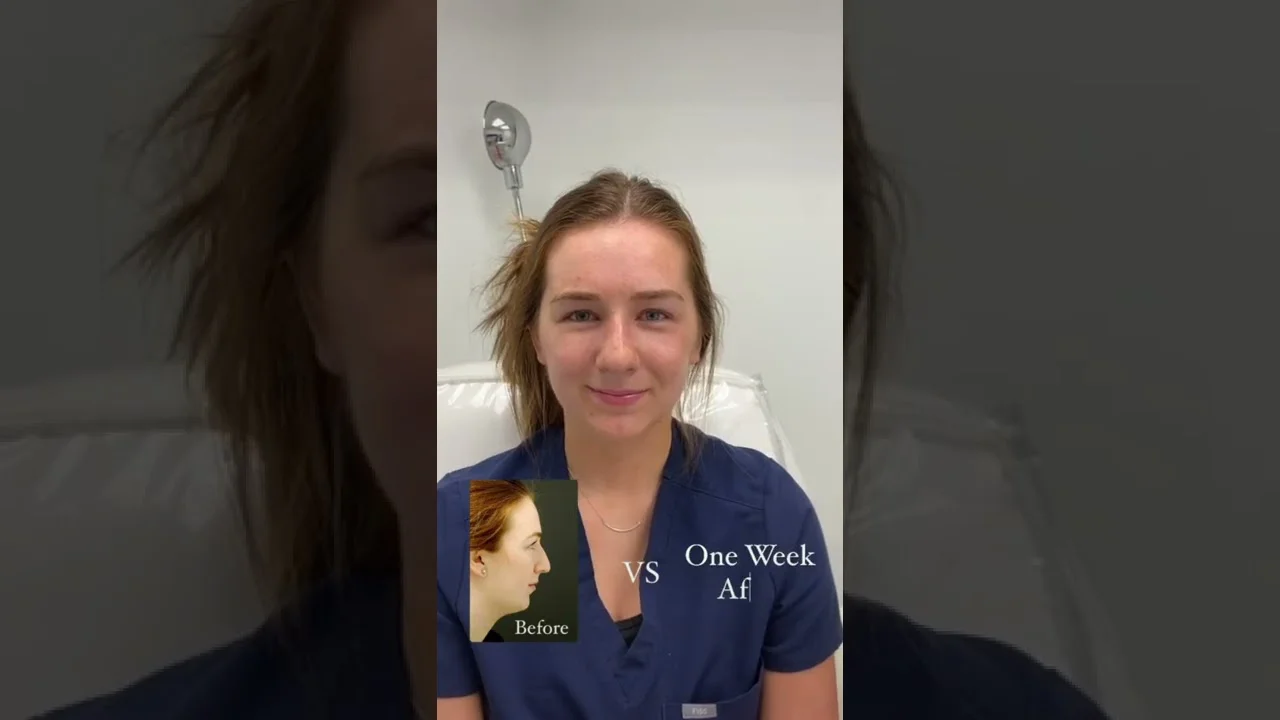
In the game of facial rejuvenation, often less is more for achieving beautiful, natural results. This wonderful patient desired a more conservative approach to rhinoplasty – she only wanted to take down her dorsal hump and slightly lift her nasal tip. Through a closed approach, we were able to help achieve her surgical goals. As illustrated in this rhinoplasty reveal reel, the patient demonstrated typical nasal swellling when her cast was removed one week following surgery. Her surgical results have been aging like fine wine over time since then – she looks amazing at three months out!
Rhinoplasty: Before and After
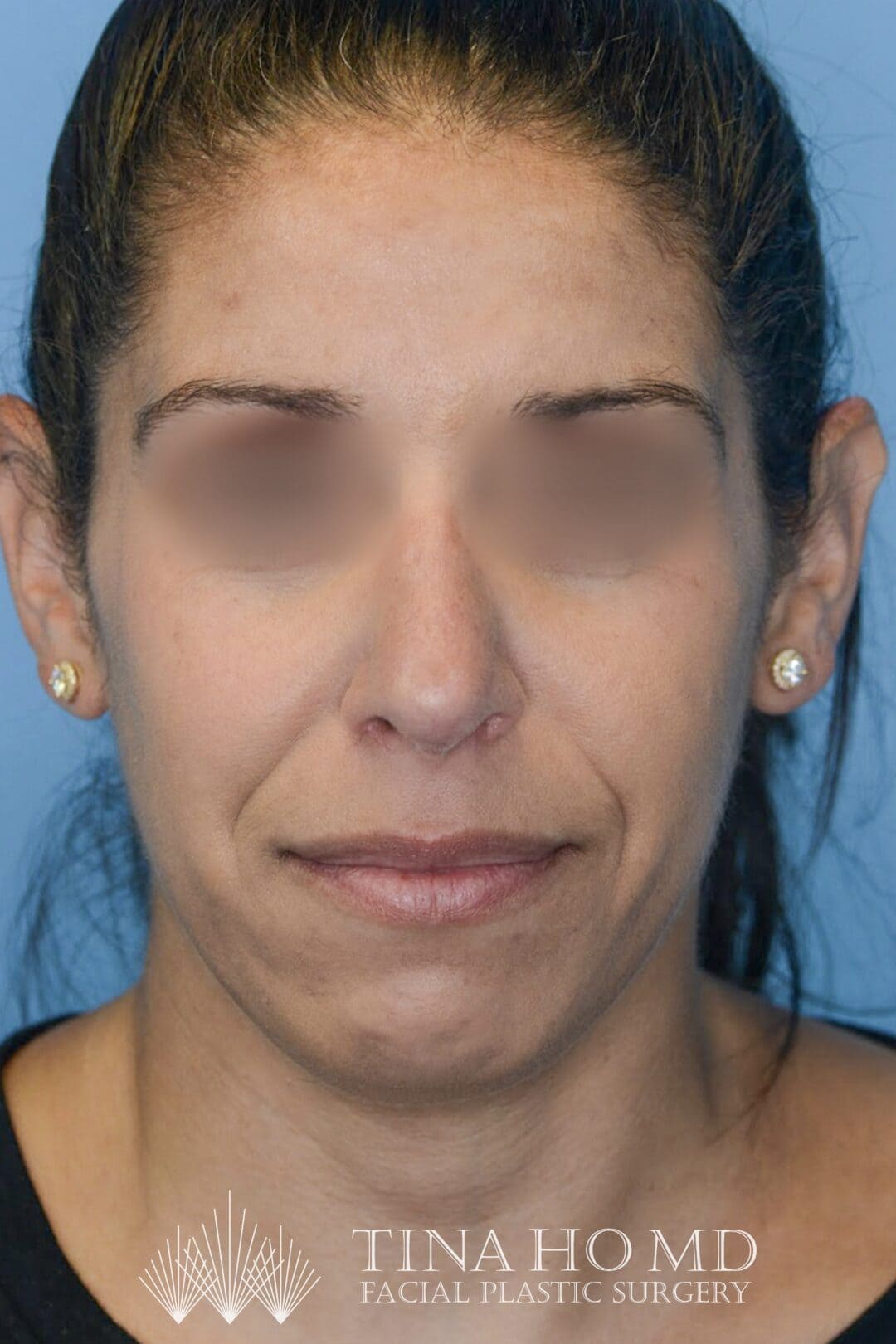
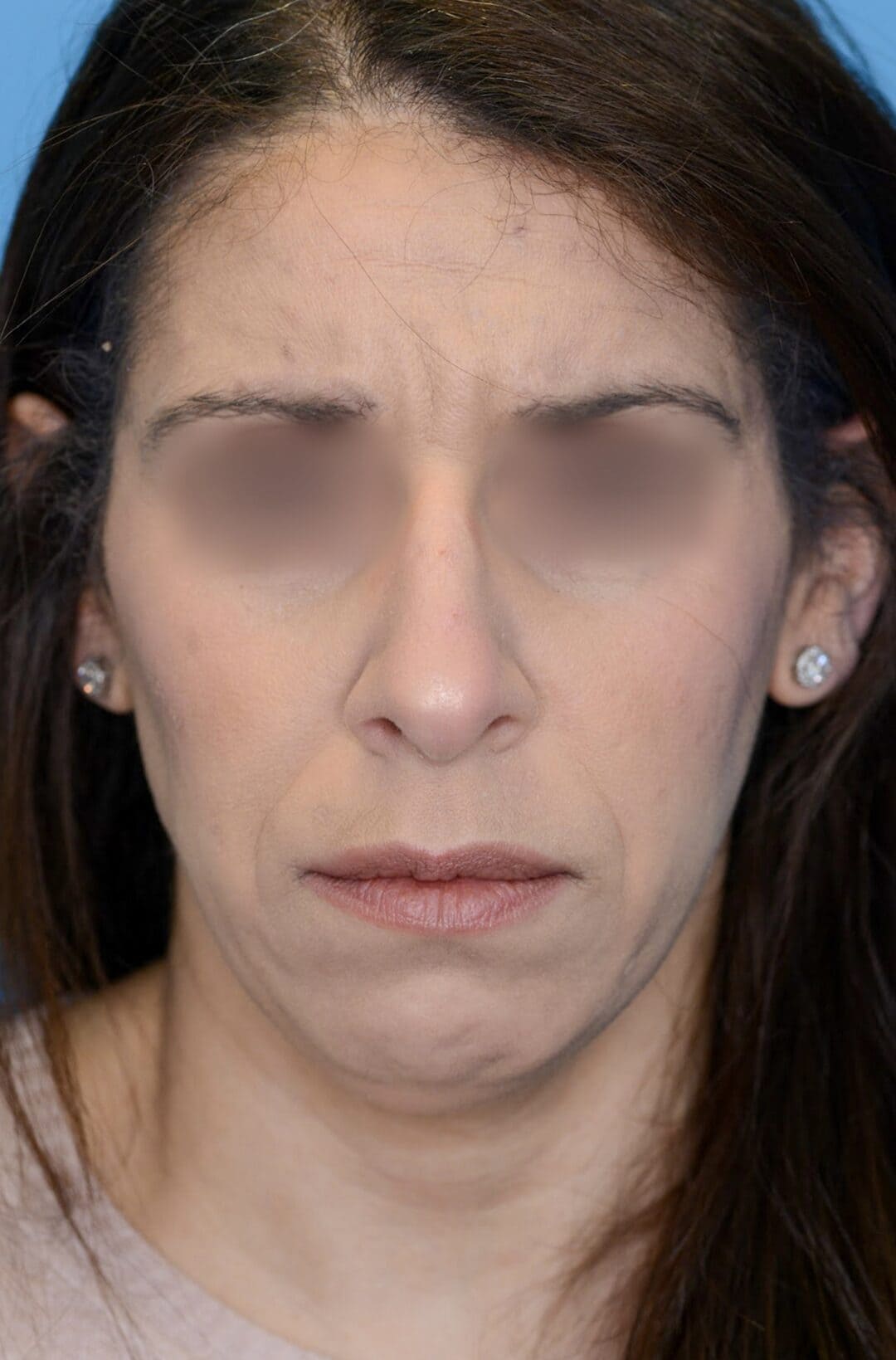
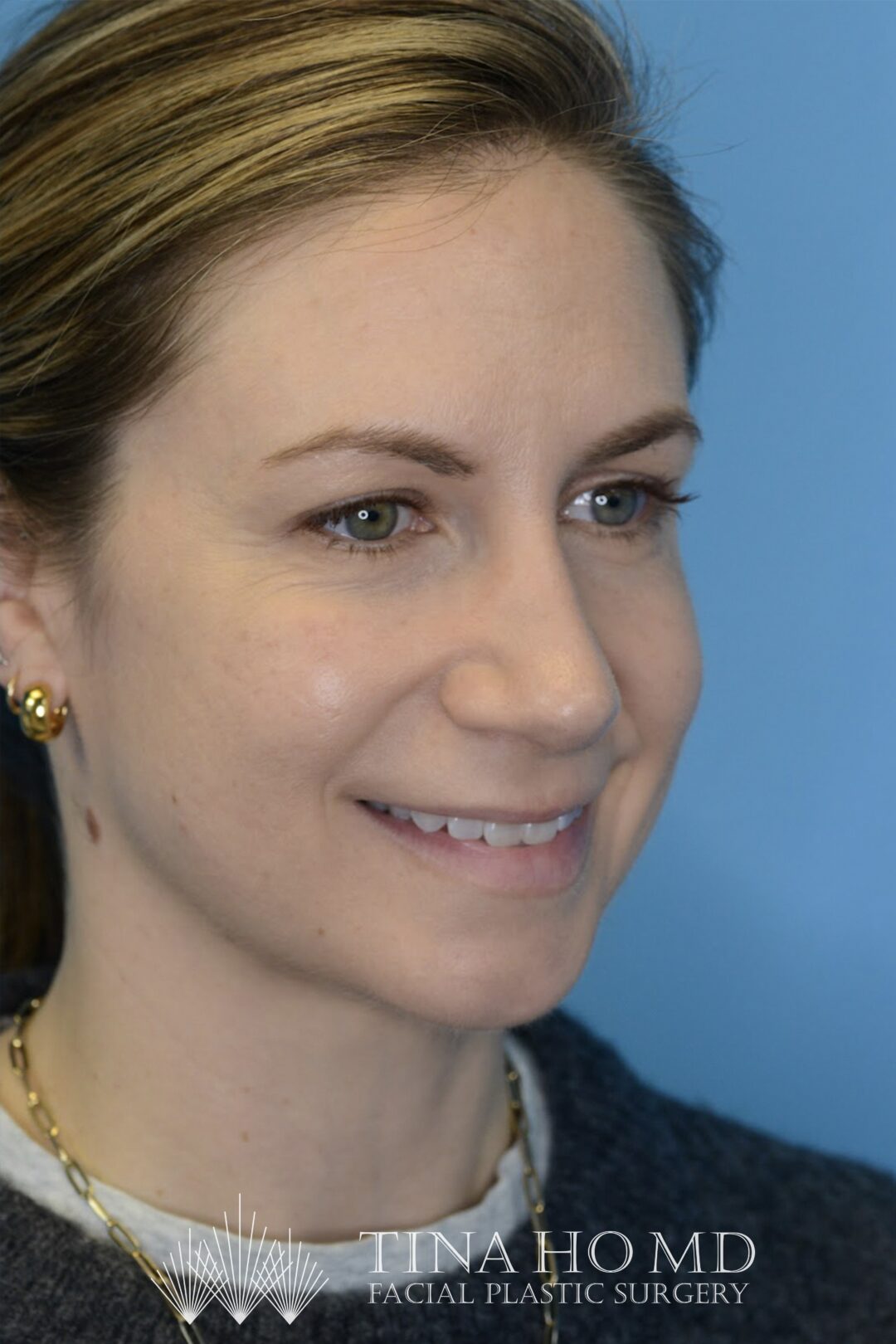
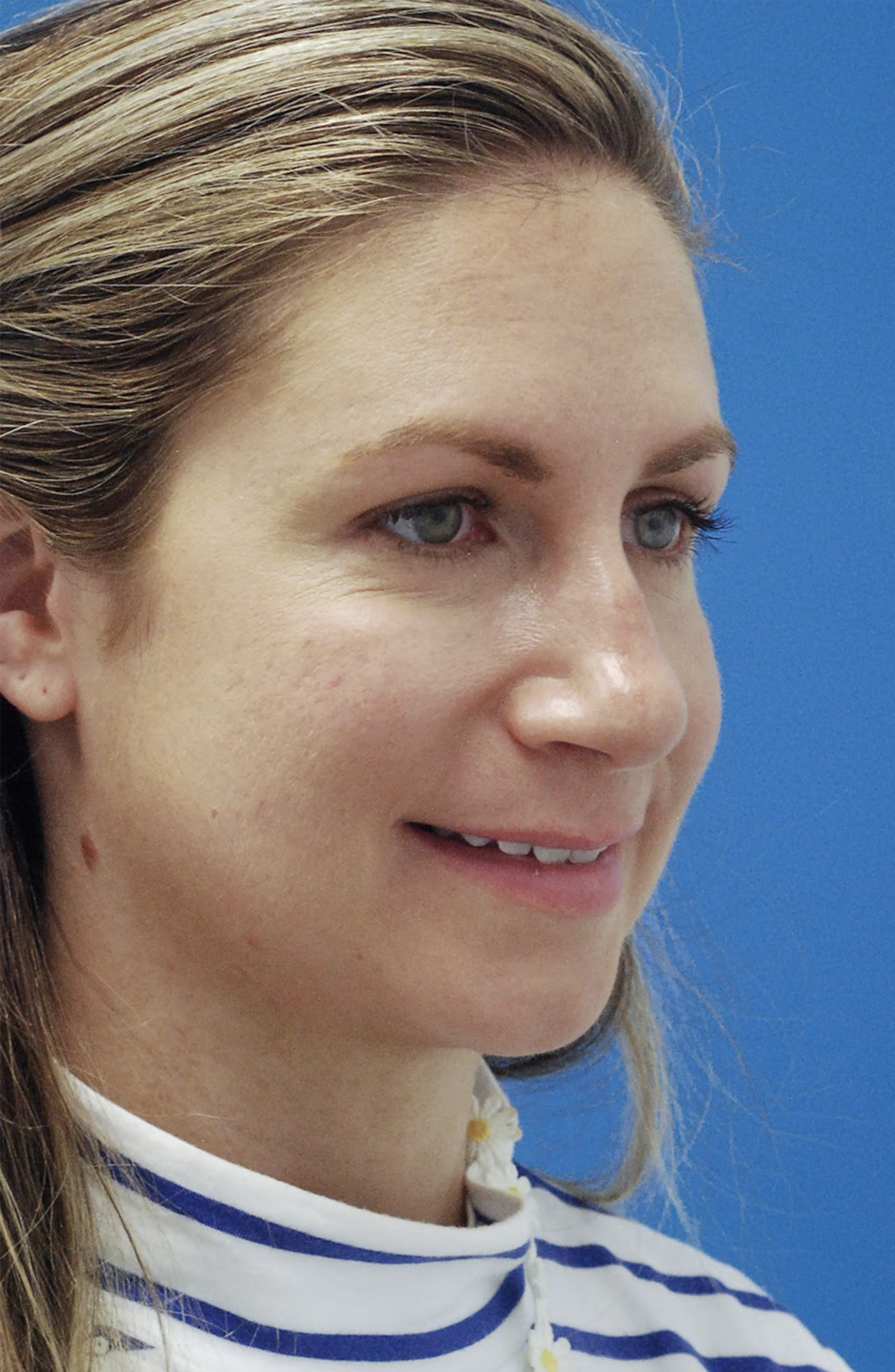
This wonderful female patient presented for rhinoplasty consultation, interested in improving the appearance of her nose. We pursued primary open rhinoplasty with ear cartilage graft to smooth down her dorsal hump, refine and lift her nasal tip, and reduce the width and size of her nostrils. We are so thrilled with her results.


As Seen In
Dr. Tina Ho in the Press
Dr. Tina Ho has been featured in leading media publications that highlight her expertise in facial plastic surgery.